
Choosing the best Alkaline Water Hydrogen Production Equipment in China requires more than comparing price tags or advertised output. Alkaline electrolysis uses an alkaline electrolyte and electrical power to produce hydrogen and oxygen, so system design, operating conditions, and maintenance needs all matter. Buyers should examine rated hydrogen capacity, purity specifications, energy consumption, pressure range, and how performance is measured. Ask for test data. Confirm the conditions behind each figure.
Small engineering details can shape daily operation. Look closely at the electrolyzer stack, gas-liquid separation, water treatment, controls, cooling, and access for routine servicing. A compact cabinet may suit a limited site, while larger installations need careful planning for utilities, ventilation, and integration. Safety features and documented operating procedures deserve close attention. They are not optional details.
“Best” depends on the application. A laboratory, pilot project, and industrial facility may need very different capacities and support. Request references, technical documentation, spare-parts information, warranty terms, and a clear commissioning plan. Verify relevant certifications and local requirements with qualified professionals; claims alone are not proof. This guide compares practical selection criteria for Chinese suppliers and equipment, helping readers separate measurable performance from promotional language. Some specifications can be difficult to compare when test conditions differ. That deserves a second look. Real confidence comes from transparent data, responsive technical support, and a system that fits the site—not from a bold headline.
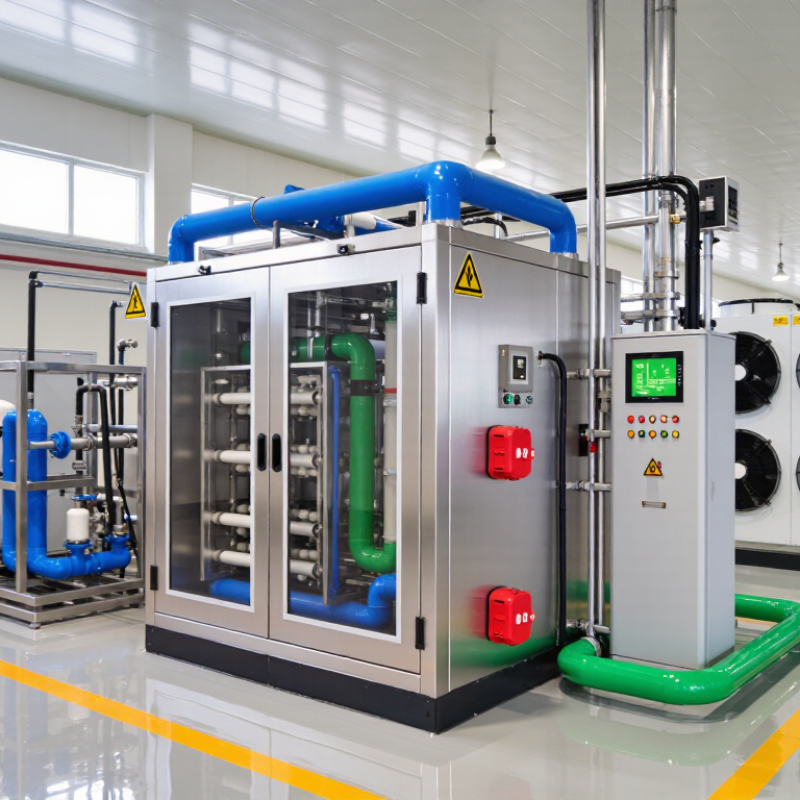
Alkaline water hydrogen production equipment uses direct current to split water into hydrogen and oxygen in an electrolyzer. An alkaline electrolyte carries ions between electrodes, while a separator keeps the product gases apart. The equipment is more than a stack of cells. A typical system also includes a power supply, electrolyte circulation pumps, gas-liquid separators, cooling components, instruments, and control systems. Pipes, valves, and pressure gauges help operators monitor flow and operating conditions. Small details matter.
The scope can mean the electrolyzer package alone or the connected systems needed to deliver usable hydrogen. Gas purification and drying may be included, depending on the required purity and application. Water treatment, compression, storage, and building utilities may sit outside the equipment boundary. That boundary can be fuzzy. A quoted production rate, for example, is meaningful only when its pressure, purity, and test conditions are clear. Operators should also check water quality, temperature, maintenance access, and how controls respond to changing loads. Even tidy specifications can leave practical questions unanswered. A site review helps reveal them.
Alkaline electrolysis produces hydrogen by passing direct current through water containing a liquid alkaline electrolyte, commonly potassium hydroxide. At the cathode, water gains electrons and forms hydrogen gas; at the anode, oxygen is released. A porous diaphragm separates the gases while allowing hydroxide ions to move through the cell.
Simple in principle. Careful control is not.
Operators monitor current, temperature, pressure, and electrolyte concentration because each affects output and cell life. Water treatment also matters: dissolved minerals can foul surfaces or shorten component life. Industrial systems commonly use nickel-based electrodes, robust seals, pumps, gas-liquid separators, and safety instruments.
Hydrogen leaving the stack can carry moisture and traces of oxygen. Gas separation and drying help meet the intended specification. For equipment buyers in China, compare rated output with operating pressure, energy use, turndown range, and service access. Ask how performance is measured, not only the headline number.
Real operating conditions are less tidy than a test sheet. That gap deserves attention.
Main Components and Their Functions
An alkaline water hydrogen production system depends on several components working together. The electrolyzer stack contains electrodes and a porous diaphragm. Direct current drives water electrolysis, while the diaphragm helps keep hydrogen and oxygen streams apart. An alkaline electrolyte, commonly potassium hydroxide solution, carries ions through the cell. Small parts matter. Pumps circulate the electrolyte, and heat exchangers help control operating temperature. Gas-liquid separators remove droplets after the gases leave the stack. Dryers and purification units then reduce moisture and unwanted impurities.
Power electronics regulate voltage and current, while sensors monitor pressure, temperature, flow, and gas quality. A control system can trigger alarms or shutdowns when readings move outside set limits. The International Energy Agency’s Global Hydrogen Review 2024 reports that global hydrogen production reached about 97 million tonnes in 2023, with low-emissions hydrogen still below 1% of supply. This is market context, not proof that any specific alkaline unit meets a performance target. Component quality, operating conditions, and maintenance all affect results.
Tips: Check whether the quoted output is measured before or after gas drying. Ask for documented operating data, safety interlocks, and maintenance intervals. A tidy specification can still leave questions; request clarification on water quality and replacement parts.
| Main Component | Function | Typical Design or Operating Notes |
|---|---|---|
| Electrolyzer stack | Uses direct current to split water into hydrogen and oxygen in a series of electrochemical cells. | Each cell typically contains electrodes, an alkaline electrolyte, and a porous separator. Stack output depends on cell count, active area, and operating current. |
| Electrodes | Provide the surfaces where hydrogen is produced at the cathode and oxygen at the anode. | Alkaline electrolyzers commonly use nickel-based electrode materials because they are suitable for alkaline environments. |
| Separator or diaphragm | Separates the hydrogen and oxygen sides while allowing hydroxide ions to pass through the electrolyte. | It is designed to limit gas crossover while maintaining ionic conduction; it is not an impermeable barrier to electrolyte. |
| Alkaline electrolyte | Conducts ions between the electrodes and supports the electrochemical reactions. | A potassium hydroxide solution is commonly used. Electrolyte concentration and temperature are set according to the system design. |
| Power supply and rectifier | Converts incoming electrical power to controlled direct current for the electrolyzer stack. | Current and voltage control help regulate hydrogen production. Electrical protection and monitoring are part of the system design. |
| Gas–liquid separators | Separate hydrogen and oxygen from the electrolyte leaving the respective sides of the stack. | Separate gas paths are maintained for hydrogen and oxygen. The separated liquid is generally returned to the electrolyte circulation system. |
| Electrolyte circulation pumps | Circulate electrolyte through the stack and associated process equipment. | Circulation supports heat removal and helps maintain consistent electrolyte conditions throughout the system. |
| Cooling system or heat exchanger | Removes heat generated during electrolysis and keeps the process within its specified operating range. | Cooling capacity and control depend on stack size, operating conditions, and the plant's heat-rejection arrangement. |
| Hydrogen purification and drying unit | Reduces residual moisture and, where required, removes trace oxygen or other impurities from the hydrogen stream. | Purification stages are selected according to the required hydrogen quality and downstream application. |
| Gas control valves and piping | Direct and regulate hydrogen, oxygen, and electrolyte flows between process equipment. | Hydrogen and oxygen piping are kept separate and designed for the relevant pressure, temperature, and service conditions. |
| Instrumentation and control system | Monitors operating variables and coordinates process control, alarms, and shutdown functions. | Common monitored variables include temperature, pressure, liquid level, flow, and electrical parameters. |
| Safety devices | Help protect people and equipment from abnormal pressure, gas leakage, and unsafe operating conditions. | Depending on the design, safeguards can include pressure-relief devices, gas detection, ventilation, interlocks, and emergency shutdown functions. |
| Water treatment and feed-water system | Supplies appropriately treated make-up water to replace water consumed during electrolysis. | Water quality requirements are set by the equipment design; pretreatment may be needed to control dissolved minerals and contaminants. |
Selecting alkaline water hydrogen production equipment in China calls for more than comparing rated output. Check hydrogen flow under steady operation and changing loads, then compare energy use per unit of hydrogen. Ask for test conditions and measurement records; figures without temperature, pressure, and purity data are hard to judge. Small details matter. Water quality does, too: unsuitable feed can shorten stack life and raise maintenance needs.
Safety depends on the whole installation, not just the electrolyzer. Confirm that hydrogen and oxygen remain properly separated, and review pressure relief, ventilation, leak detection, and automatic shutdown functions. Alkaline electrolyte can be corrosive, so inspect containment, seals, and procedures for handling leaks or servicing the system. Keep electrical protection and grounding clear in the equipment documentation. During commissioning, operators should verify sensor calibration and rehearse shutdown steps. A polished specification sheet is not proof of reliable field performance; that is worth remembering. Ask how output and alarms behave during startup, low-load operation, and routine maintenance.
China’s alkaline water hydrogen equipment sector benefits from a deep supplier base for pressure vessels, power electronics, pumps, and control systems. The IEA’s Global Hydrogen Review 2024 estimates China holds about 60% of global electrolyser manufacturing capacity. That scale can shorten component lead times. It does not guarantee consistent stack performance.
IRENA’s Green Hydrogen Cost Reduction report (2020) places alkaline electrolyser system costs broadly around USD 500–1,000 per kilowatt, depending on scope and market. Buyers should compare complete system boundaries, not stack prices alone. Check the rectifier rating, gas-liquid separator design, hydrogen purity data, and stated operating range. Ask for test records at both rated and partial load. Look closely at water-treatment requirements; a small mismatch can mean frequent maintenance. Spare parts matter, too.
Inspect weld quality and the layout around the separator, where access for cleaning should be practical. Request independently verifiable efficiency figures and clarify whether they include auxiliary loads. Good paperwork helps. Yet supplier data may not reflect a dusty site, unstable power, or hard-to-treat feedwater. That gap deserves a site-specific trial before procurement.
Illustrative procurement framework for comparing equipment. The percentage weights are suggested evaluation priorities, not measured market shares or a survey of Chinese manufacturers.
Compare suppliers using documented operating data, applicable safety and electrical certifications, warranty terms, and verified service capability. Confirm that quoted energy consumption uses the same system boundary and operating conditions.
