
Choosing the best Rolled Metal supplier in China requires more than comparing prices on a spreadsheet. A reliable partner must prove consistency through mill certificates, heat-number traceability, dimensional control, and clear inspection records. Buyers should examine stainless steel, carbon steel, aluminum, or specialty alloy requirements separately. Each material behaves differently during rolling, cutting, forming, and transport.
Metallurgist John D. Verhoeven stated, “The properties of metals are determined by their microstructure.” That principle remains practical today. A bright coil may look excellent under warehouse lights, yet hidden variation can appear during stamping or welding. Ask suppliers for sample reports, third-party test results, and production photographs. Visit the facility when the order is critical. Look closely at coil edges, surface marks, protective wrapping, and storage conditions.
There is no universal best supplier. Not yet. The strongest candidate depends on tolerance, volume, delivery urgency, certification needs, and after-sales support. A low quotation can become expensive when flatness problems delay production. However, an impressive website does not guarantee dependable output either. That is an uncomfortable point, but it matters. Supplier selection should combine factory experience, technical communication, verified references, and repeated batch performance. Buyers should also confirm export documentation and contract terms before production begins. This article compares practical evaluation methods and highlights the warning signs that often escape an initial review. The goal is not to praise one company blindly. It is to identify a supplier that can deliver suitable Rolled Metal with measurable quality and fewer surprises.
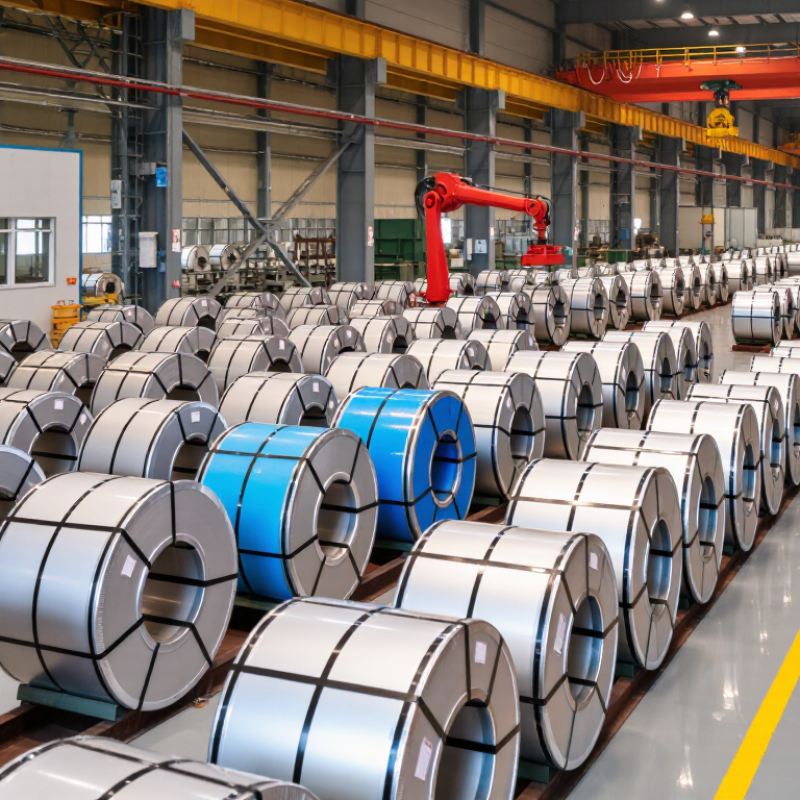
What Is the Best Rolled Metal Supplier in China?
China’s crude-steel output reached 1.019 billion tonnes in 2023, according to the World Steel Association. This scale supports a broad rolled-metal supply chain, from slabs and hot-rolled coils to cold-rolled sheets and coated products. However, production volume alone does not identify the best supplier. Quality systems, technical control, and delivery discipline matter more for each specific order.
A dependable supplier should provide recent mill test certificates, clear chemical compositions, and measured mechanical properties. Ask for thickness, width, flatness, surface finish, and coil-weight tolerances before placing an order. Check whether the supplier can trace each coil to its heat number. Small details matter. During inspection, look for edge cracks, uneven winding, rust stains, and damaged packaging. Moisture-resistant wrapping is essential during long sea transport.
Reliable communication is another practical measure. Technical staff should explain realistic tolerances instead of promising everything. A supplier that accepts independent inspection often demonstrates stronger accountability. Confirm production capacity, loading procedures, export documents, and applicable standards in writing. No supplier is perfect. Even experienced buyers can overlook packaging risks or underestimate seasonal delays. The better choice is the supplier whose evidence matches your application, inspection plan, and delivery requirements.
Choosing the best rolled metal supplier in China requires more than comparing price or production volume. The World Steel Association reported 1,888.2 million tonnes of crude steel production in 2023. China contributed about 1,019 million tonnes, showing its manufacturing scale, not automatic product quality.
GB/T standards define Chinese grades and often specify chemistry, strength, dimensions, and inspection methods. ASTM grades may use different test conditions, even when the material appears similar. EN standards commonly classify steel by application and delivery condition. JIS grades can differ in alloy limits, tolerances, and testing frequency. Equivalent grade tables help, but they are not final proof. Check the mill certificate carefully.
Numbers can mislead.
A reliable supplier should provide heat numbers, traceable certificates, dimensional reports, and test results matched to the requested standard. Confirm yield strength, tensile strength, elongation, impact performance, surface condition, and thickness tolerance. Independent testing is valuable for critical orders. OECD steel market analysis continues to highlight overcapacity and trade pressure, making documentation increasingly important. One practical weakness remains: buyers sometimes accept “equivalent” grades without reviewing test methods. That shortcut can create problems during fabrication or inspection. A stronger purchasing process compares the exact standard edition, delivery condition, and acceptance criteria before production.
Choosing the best rolled metal supplier in China requires more than comparing prices. ISO 9001 certification shows that documented quality processes exist. It does not guarantee perfect coils or sheets. Ask for the certificate number, issuing body, and audit validity. Then compare these details with your actual purchasing risks.
A reliable supplier provides complete Material Test Certificates for every heat or batch. The MTC should show chemical composition, yield strength, tensile strength, elongation, thickness, and applicable test standards. Check the heat number against the product label and packing list. Small mismatches matter. A certificate can look professional yet fail a basic traceability review.
Yield strength must match your forming and structural requirements. Tolerances also need clear agreement before production. Confirm thickness, width, flatness, camber, and edge conditions in writing. Request inspection records using calibrated micrometers and gauges. Independent testing can strengthen confidence for critical orders. In practice, measurements sometimes vary because sampling is limited or equipment is poorly maintained. That possibility deserves honest discussion. Cheap is not always efficient. A supplier earns trust through repeatable data, transparent corrections, and fast responses when results fall outside specification.
Choosing the best rolled metal supplier in China requires more than comparing a headline quote. Purchasing data shows how dependable a supplier may be.
Ask for the minimum order quantity, or MOQ, in tonnes and coils. A low MOQ can reduce inventory pressure, but it may increase the price per tonne. Confirm whether mixed widths, thicknesses, or grades are allowed.
Lead time should be measured from payment confirmation to port delivery.
For standard coils, practical estimates often range from 20 to 35 days. Custom thicknesses may require longer production planning.
Request a written schedule covering production, inspection, packing, and vessel booking. Small delays matter. A missed shipment can disrupt fabrication plans and storage arrangements.
Price per tonne should include the material grade, surface finish, coil weight, packaging, inland transport, and export documents. Compare equivalent specifications, not isolated numbers.
I have seen low quotes exclude edge trimming and seaworthy packing. The final invoice then changed. That experience still makes me cautious.
Export capacity also deserves evidence. Review recent shipment records, monthly production volume, loading ports, and container-handling experience. Ask whether the supplier can support repeat orders during peak seasons.
Certificates, inspection photos, and traceable batch numbers improve reliability. Still, documents are not proof of everything.
A pre-shipment inspection can reveal coil damage, uneven winding, or incorrect labeling before the cargo leaves China.
A reliable rolled metal supplier should welcome a detailed mill audit. Inspect the melting records, rolling schedule, furnace controls, and calibration certificates. Look for physical evidence, not polished presentations. During an audit, check whether coil numbers match production logs and warehouse labels. Small mismatches deserve attention. They may reveal weak document control or simple human error.
Third-party testing adds an independent layer of confidence. Request tensile strength, yield strength, elongation, hardness, chemical composition, and dimensional reports. The laboratory should identify the tested coil, sampling location, test method, and equipment used. Confirm that certificates are current and verifiable. A report without traceable sample details has limited value. Testing every shipment is not always practical, but risk-based sampling is sensible.
Traceability should follow the material from heat number to final delivery. Ask for certificates, inspection records, packing photos, and shipment references. A strong supplier can explain what happens when results fall outside specification. That answer matters more than a perfect sales claim. In practice, some records may be incomplete, especially after urgent production changes. This is not automatically disqualifying, but it requires corrective action and written follow-up. I have found that consistent records often reveal more than impressive factory equipment. Supplier verification is an ongoing process, not a single visit.
