
Welcome to Worldia, we have over 25 years of expertise.

China Top 10 Three Phase Diesel Generator Manufacturers?

Reliable electricity is no longer a background assumption. The International Energy Agency’s Electricity 2024 report projects global electricity demand will grow by an average of 3.4% annually from 2024 through 2026. That forecast does not measure generator sales, but it highlights rising pressure on power systems. For factories, hospitals, construction sites, and remote facilities, dependable backup can matter when the grid falters.

A Three Phase Diesel Generator can support heavy commercial loads, including pumps, compressors, and production equipment. Yet choosing one involves more than comparing kilowatt ratings. Fuel consumption, operating hours, load response, cooling design, emissions specifications, and local service access all deserve close attention. A generator that looks efficient on paper may perform differently under sustained heat or an uneven load. Details matter.

This guide examines ten manufacturers associated with three-phase diesel power, with attention to product range, published specifications, and support networks. It is not a universal ranking. Company offerings and service quality can vary by model and market, and manufacturer claims should be checked against current datasheets and independent test records. That extra verification takes time. Still, it can prevent costly mismatches between a machine’s rated output and the site’s actual demands. No shortlist replaces an engineering review, but a careful comparison gives buyers a more grounded place to start.
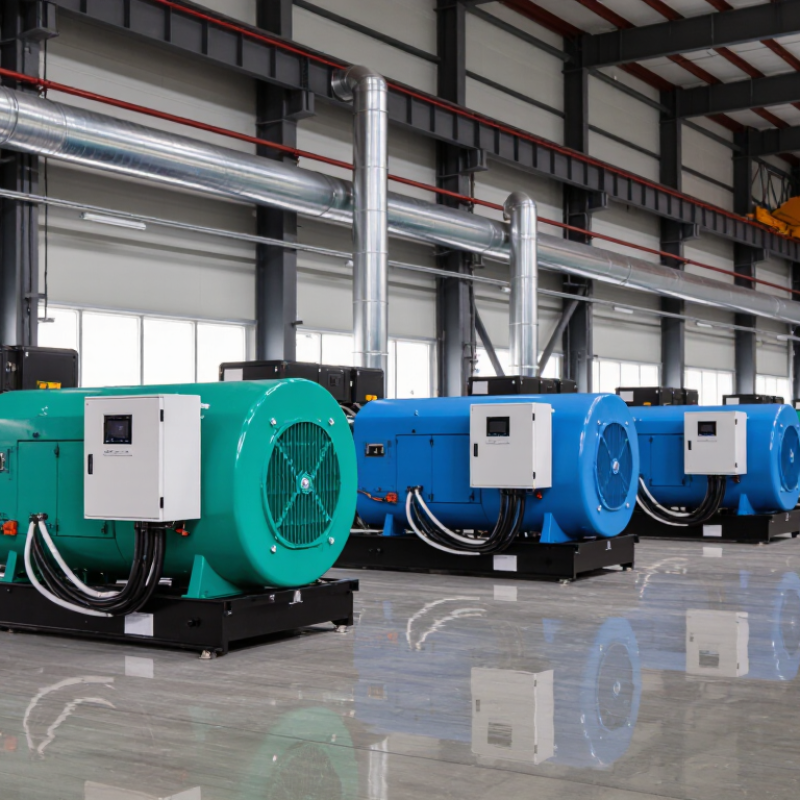
China Top 10 Three Phase Diesel Generator Manufacturers?

Understanding Three-Phase Diesel Generators and Their Main Uses

Three-phase diesel generators supply electricity through three alternating currents, spaced evenly across the electrical cycle. This arrangement can deliver steady power to motors and other demanding equipment. Compared with single-phase output, it can support larger loads with less current per conductor when properly designed. That matters. Pumps, compressors, and industrial fans often rely on three-phase power to start and run consistently.

These generators are used at construction sites, factories, farms, and facilities where grid power is unavailable or unreliable. A site team might use one to run a concrete mixer, drainage pump, and temporary lighting. Hospitals and data centers may also use them as standby power, with careful planning and regular testing. Choosing a unit involves more than matching its rated kilowatts to a load. Motor starting currents, operating hours, fuel storage, ventilation, and noise all affect suitability. A common oversight is sizing for normal operation while ignoring brief startup surges. Load measurements help, though real usage can still change. Keep maintenance records, inspect connections, and follow qualified technicians’ guidance for installation and servicing.

Key Criteria for Evaluating Chinese Generator Manufacturers

China Top 10 Three Phase Diesel Generator Manufacturers: Key Criteria for Evaluating Chinese Generator Manufacturers

Choosing a manufacturer starts with matching the generator to its real load. Check rated output in kW and kVA, voltage, frequency, power factor, and duty rating. A unit that looks adequate on paper may struggle with motor-starting surges. Ask for fuel-consumption figures at several load levels, not just one. Request recent load-bank test records and confirm what each test actually measured. Details matter.

Tips: Compare the same specifications across suppliers. Ask for a written parts list, warranty terms, delivery schedule, and service response plan. Check whether quoted output is standby or prime power. These ratings are not interchangeable.

Look beyond the engine and alternator. Review the control panel, cooling system, enclosure, and access for routine maintenance. Ask how spare parts are identified and supplied, especially for filters, belts, and sensors. For noisy or dusty sites, confirm the enclosure’s stated sound level and protection features. Verify certificates directly and check that their scope covers the relevant product or facility. Factory visits can help, but a polished showroom proves little about production consistency. I would also ask for a sample inspection report; not every supplier will provide one, and that gap deserves a closer look.

Profiles of 10 Chinese Three-Phase Diesel Generator Manufacturers

Profiles of ten Chinese three-phase diesel generator manufacturers are most useful when they show how each company designs, tests, and supports its equipment. Some may focus on compact sets for workshops, while others build higher-capacity units for factories or backup power. These are different needs. A generator suited to a small pump room may not fit a noisy, high-load production site.

Compare practical details across each profile: rated output, voltage options, engine and alternator configuration, control-panel functions, and sound-attenuation design. Ask how output is tested under load, and whether the stated rating reflects continuous or standby operation. Check service access, too. A technician should be able to reach filters and wiring without dismantling half the enclosure.

Look beyond headline figures. Ask about spare-parts availability, commissioning support, and the clarity of manuals. A polished specification sheet can still leave gaps; that is worth admitting. Photos of terminals, cooling vents, and lifting points can reveal useful design choices, though they cannot replace inspection or test records. Compare evidence, not just promises.

Comparing Generator Capacity, Features, and Certifications

A useful comparison of China’s top 10 three-phase diesel generator manufacturers starts with rated capacity, not headline maximum output. Check whether each figure describes standby or prime power, and compare units at the same voltage, frequency, and power factor. A 500 kVA set may suit a factory’s backup load, while continuous operation can require a different rating. Ask for load-test records and confirm how the alternator performs when motors start. Details matter.

Features should match the site. Look for an accessible control panel, clear alarm display, automatic transfer compatibility, and documented noise levels. For coastal or dusty locations, ask how the enclosure and cooling system handle corrosion and restricted airflow. Then review certification evidence by model, not just by manufacturer. ISO 9001 concerns a quality-management system; ISO 8528 relates to generating sets. CE documentation may matter for equipment placed on the European market, while emissions requirements depend on destination and engine configuration. Verify certificates with the issuing body where possible. A neat spreadsheet can still mislead. Capacity figures, options, and test conditions are not always presented consistently, and that deserves a second look.

China Top 10 Three Phase Diesel Generator Manufacturers? – Comparing Generator Capacity, Features, and Certifications

Comparison note: Company names are intentionally omitted. The rows below are anonymized, market-typical capacity bands—not a verified ranking or confirmed specifications for ten individual manufacturers. Actual output, options, and compliance documents vary by model and should be confirmed with the supplier.

Anonymous Capacity Profile Typical Rated Output Three-Phase Electrical Options Common Features to Compare Potential Standards and Documents to Request
Profile 1 — Compact 10–30 kVA Commonly 50 Hz / 400 V or 60 Hz / 480 V options; confirm the requested voltage and frequency. Open or sound-attenuated enclosure; electric starting; basic controller; optional automatic transfer switch (ATS). Model-specific test report; applicable emissions documentation for the destination market; ISO 8528 performance declaration, if offered.
Profile 2 — Small standby 20–80 kVA Three-phase configurations are commonly available; confirm phase, voltage, frequency, and power factor on the quotation. Canopy option; digital controller; battery charger; selectable standby or prime rating. Factory test record; engine emissions documentation for the destination market; request the exact ISO 8528 edition and performance class claimed.
Profile 3 — Light commercial 30–150 kVA 50 Hz and 60 Hz versions may be available, with different voltage and engine-speed configurations. ATS compatibility; remote monitoring option; protection for low oil pressure, high coolant temperature, and overspeed. Electrical and safety documentation applicable to the destination market; model-specific test report; confirm whether CE conformity documentation applies to the supplied unit.
Profile 4 — Commercial standby 50–250 kVA Commonly offered with configurable three-phase output; request the rated current and alternator data for the exact configuration. Sound-attenuated enclosure; jacket-water heater option; ATS and remote-start support; service access and maintenance intervals. ISO 8528 test or performance documents, if claimed; destination-market emissions records; quality-management certificate scope and validity, if provided.
Profile 5 — Mid-size power 100–400 kVA 50 Hz / 1500 rpm and 60 Hz / 1800 rpm are common generator-set configurations; verify the specific engine and alternator pairing. Electronic controller; configurable alarms; fuel-tank options; parallel-operation capability may be available on selected models. Factory acceptance test results; alternator and engine datasheets; emissions compliance evidence for the intended country or region.
Profile 6 — Large commercial 200–800 kVA Confirm rated voltage, frequency, power factor, neutral arrangement, and whether the rating is prime or standby. Paralleling controls may be optional; remote communications; larger base or separate fuel-tank configurations; enclosure noise data on request. ISO 8528-related performance documentation, if claimed; test report for the quoted configuration; local emissions and electrical compliance documents.
Profile 7 — Industrial 300–1,000 kVA Available configurations depend on engine speed, alternator design, and site requirements; confirm continuous-load and transient requirements. Heavy-duty cooling options; synchronizing and load-sharing equipment may be offered; confirm step-load and load-acceptance data. Documented load-test results; protection and control-system details; emissions evidence applicable to the installation jurisdiction.
Profile 8 — Heavy industrial 500–1,500 kVA Ask for a complete electrical schedule, including voltage regulation, frequency regulation, fault-current data, and allowable operating conditions. Parallel operation; project-specific control panels; radiator or remote-cooling arrangements; engineered fuel and exhaust systems. Project-specific factory test reports; applicable grid or site-interface documents; request certificates by model and manufacturing site, not just by supplier name.
Profile 9 — Utility-scale standby 800–2,000 kVA Large-set configurations require verification of alternator capability, load profile, ambient conditions, and site altitude. Multi-set synchronization; engineered acoustic and exhaust solutions; remote monitoring and control integration may be available. Witness-test options and detailed test records; installation-specific emissions and safety approvals; verify the scope and validity of each claimed certificate.
Profile 10 — High-capacity project 1,000–2,500 kVA Capacity and configuration are project-specific; confirm whether the quoted value is per set and whether it is prime or standby output. Custom paralleling systems; engineered cooling, fuel, exhaust, and enclosure packages; project commissioning and service support should be defined in the contract. Project-specific design and acceptance records; destination-market emissions approvals; third-party inspection documents where required by the purchaser or local authority.

How to Choose the Right Manufacturer for Your Project

Choosing a three-phase diesel generator manufacturer starts with the project, not a ranking. Record the running and starting loads for pumps, compressors, and other large equipment. Check the required voltage, frequency, operating hours, and site conditions. A unit sized only for normal running demand may struggle when motors start. Too much spare capacity can also mean inefficient operation.

Ask manufacturers for a clear specification sheet, including engine and alternator ratings, controller functions, fuel consumption, and permitted operating conditions. Request test records showing performance under load, not just an unloaded startup. Ask how the enclosure handles dust, rain, heat, and ventilation at your site. Details matter. A polished brochure may still leave practical questions unanswered.

Compare service capability as carefully as price. Ask which replacement parts are stocked, how technical support is delivered, and what response times can realistically be promised. Clarify warranty coverage and commissioning responsibilities in writing. If possible, speak with customers who use similar equipment in comparable conditions. A factory visit or independent inspection can help verify production and testing procedures, though it takes time and may not reveal every weakness. Leave room for doubt; supplier claims deserve evidence.

Hi! What is your idea today?
WORLDIA 8618618272087
Nina +86 15631662072
google-site-verification=0STkOZEvYuoDp-D40AVfMUk--CzM2AsZv24S6ISPdmk