
Welcome to Worldia, we have over 25 years of expertise.

How to Choose a Custom Sewer Jetter in 2026?

Choosing a Custom Sewer Jetter in 2026 is not simply a matter of selecting the highest pressure. The right setup depends on the pipe sizes, blockage types, access points, and daily workload your team actually encounters. A unit designed for routine service calls may not suit long municipal runs or demanding commercial work. Start with the job, not the sales brochure.

Compare water flow and pressure together, then check whether the pump, engine, and hose match your expected use. Consider hose length, reel capacity, nozzle options, water supply, and vehicle space. A longer hose can reach farther, but it may also affect handling and storage. Small details matter. Ask manufacturers for duty-cycle guidance, maintenance requirements, parts availability, and clear warranty terms. If specifications are unclear, request written confirmation before ordering.

A spec sheet can look convincing. Real operating conditions are less tidy. A machine may need to clear grease in one location and sediment in another, so nozzle compatibility and practical adjustability deserve close attention. I would also check service access and operator training; those details are easy to overlook when comparing prices. No configuration is perfect for every crew. The first choice may need refinement after operators test it on representative jobs. This guide explains how to assess requirements, compare custom options, and ask informed questions before investing in a Custom Sewer Jetter.
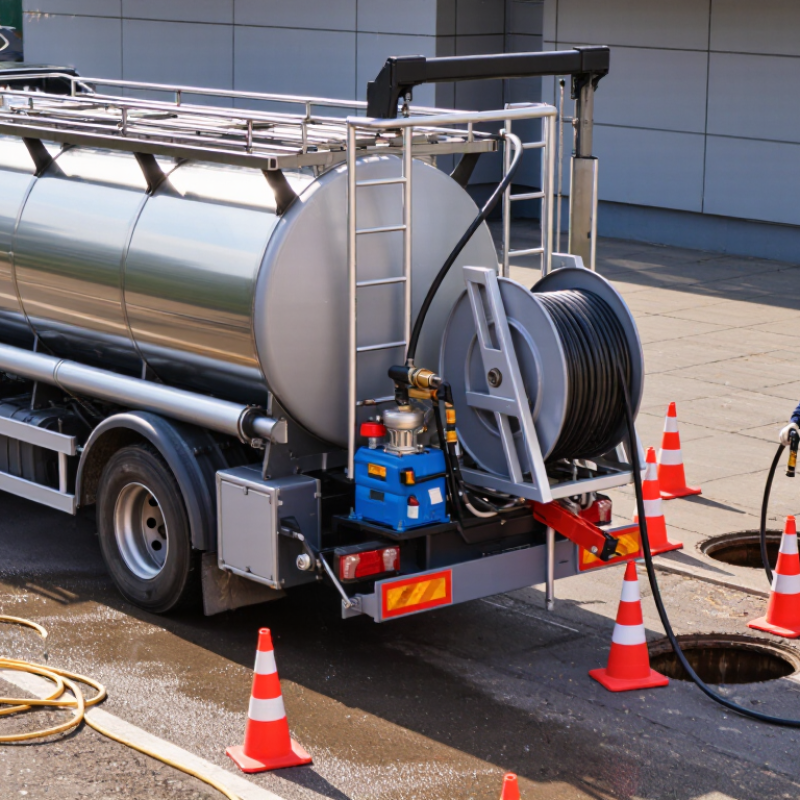
How to Choose a Custom Sewer Jetter in 2026?

Define the Sewer Jetter’s Intended Use and Operating Conditions

Before choosing a custom sewer jetter, define the jobs it must handle. Will it clear grease in restaurant laterals, sediment in storm drains, or recurring blockages in long municipal lines? Pipe diameter, length, material, and access points all affect the setup. A narrow, aging pipe may need a different nozzle and working pressure than a large concrete line. That detail matters. Record the usual blockage type and the toughest one you expect, not just the average call.

Then consider the working conditions. Measure available water supply, note whether the site has reliable drainage, and estimate how often the machine will run each day. Flow and pressure work together; choosing by pressure alone can leave a jetter underpowered at the nozzle. It’s an easy mistake. Check hose length, reel capacity, vehicle space, and whether operators must move equipment through tight alleys or indoor access doors. Include cold-weather use and time for setup, flushing, and maintenance. Those minutes add up.

Ask operators what slows them down now. Their answers may be less tidy than a specification sheet, but they often reveal the real need. Confirm the proposed pump, hose, and nozzle range against the pipe conditions and the equipment maker’s operating guidance. Leave some capacity for demanding jobs, without sizing the system around rare extremes. A custom build should suit the work you can describe clearly, while recognizing that field conditions can still surprise you.

Compare Jetter Types, Pressure, Flow Rate, and Power Sources

A custom sewer jetter should match the pipe, blockage, and access point—not just the highest pressure on a specification sheet. The U.S. EPA’s 2022 Clean Watersheds Needs Survey estimated $630.1 billion in wastewater and stormwater infrastructure needs over 20 years. That investment scale makes dependable maintenance equipment important, but the figure cannot tell you which jetter suits a particular line. Check the pipe material and condition before choosing. A compact portable unit may fit indoor cleanouts; a trailer or truck-mounted system can serve longer runs and demanding field work.

Pressure helps a nozzle cut through deposits, while flow rate carries loosened debris downstream. Not pressure alone. Compare both ratings at the pump, then account for hose length, diameter, and nozzle losses. A high-pressure, low-flow setup may struggle to move debris; excessive pressure can also threaten fragile pipe. Gas or diesel power offers mobility, but brings exhaust and noise concerns. Electric power can suit indoor or noise-sensitive sites when supply and cable access are adequate. Ask operators to test realistic hose lengths and common nozzle configurations. A neat spec sheet is useful, but actual site conditions are messier. The EPA survey documents infrastructure needs, not jetter performance, so treat it as context—not a buying formula.

Select Custom Features for Hoses, Nozzles, and Vehicle Setup

How to Choose a Custom Sewer Jetter in 2026?

Select Custom Features for Hoses, Nozzles, and Vehicle Setup

Choosing a custom sewer jetter starts with the work you handle most often. Match hose length and diameter to typical pipe runs, access points, and the machine’s rated flow. A longer hose can reach farther, but it may add friction and become harder to manage. Check abrasion resistance and connection compatibility before ordering. Fit matters.

Choose nozzles for the blockage types you actually encounter. Penetrating jets can help break through stubborn buildup, while flushing designs move loosened debris through the line. Confirm that the nozzle suits the unit’s pressure and flow range; a mismatch can reduce cleaning performance. Vehicle setup matters too. Check tank capacity, axle loads, hose storage, and room for safe equipment access. A layout that looks efficient on paper may feel awkward beside a narrow street or crowded worksite.

Tips: Keep a short list of common pipe sizes and job conditions. Ask a qualified equipment supplier to verify hose and nozzle specifications. If possible, test the reel position with gloves on. Small details are easy to overlook, and your first configuration may need adjustment after real jobs.

Check Safety Systems, Regulations, Maintenance, and Service Support

How to Choose a Custom Sewer Jetter in 2026?

Safety deserves attention before pump size or tank capacity. Ask for documented pressure limits, a clear pressure gauge, and an accessible emergency shutoff. Confirm that hoses, fittings, and restraints are rated for the intended operating pressure. Inspecting a sample hose can reveal more than a polished specification sheet. Small details matter. Operators also need suitable protective equipment and practical training; a safety feature helps only when people know how to use it.

Check the rules that apply where the machine will operate. Requirements may cover vehicle weight, noise, water use, wastewater handling, and operator training. They vary by location, so confirm details with the relevant local authorities before finalizing a build. Keep manuals and inspection records with the equipment. A machine can meet its design brief and still create problems on a particular job site.

Maintenance access affects uptime. Look for reachable filters, drain points, and serviceable pump components, then ask for a written maintenance schedule. Discuss parts availability, technician response times, and what support includes after delivery. A modest setup may suit frequent short jobs better than maximum capacity. There is no perfect configuration, and I would revisit the choice after tracking real water use, service calls, and downtime.

Compare Suppliers, Total Ownership Costs, and Final Specifications

How to Choose a Custom Sewer Jetter in 2026?

A low purchase price can hide expensive downtime. Compare suppliers using the same written duty profile: pipe diameter, typical blockage, hose length, daily run time, and available water supply. Ask each supplier to document flow, pressure, engine or motor rating, tank capacity, and expected service intervals. Request a live demonstration on a representative setup. A clean showroom test is not enough.

Build a total ownership cost estimate over five years. Include purchase price, financing, fuel, water, hose and nozzle replacement, pump maintenance, training, and service travel. The U.S. Environmental Protection Agency’s 2022 Clean Watersheds Needs Survey estimated $630.1 billion in wastewater infrastructure needs over 20 years. It does not price jetters, but it signals the scale of ongoing infrastructure work—and the value of dependable equipment. Labor matters, too. The U.S. Bureau of Labor Statistics reported a $62,970 median annual wage for plumbers, pipefitters, and steamfitters in May 2024. Use that only as a broad labor-cost reference, not a jetter-operator wage.

Before signing, compare warranty exclusions, parts availability, response times, and who performs commissioning. Get final specifications in writing, including hose type, reel capacity, winterization features, and safety controls. Check that the quoted configuration fits your truck and crew. Small omissions matter. I would still leave room for uncertainty: actual maintenance depends heavily on water quality, operator habits, and workload. Ask the supplier to state its assumptions.

Hi! What is your idea today?
WORLDIA 8618618272087
Nina +86 15631662072
google-site-verification=0STkOZEvYuoDp-D40AVfMUk--CzM2AsZv24S6ISPdmk