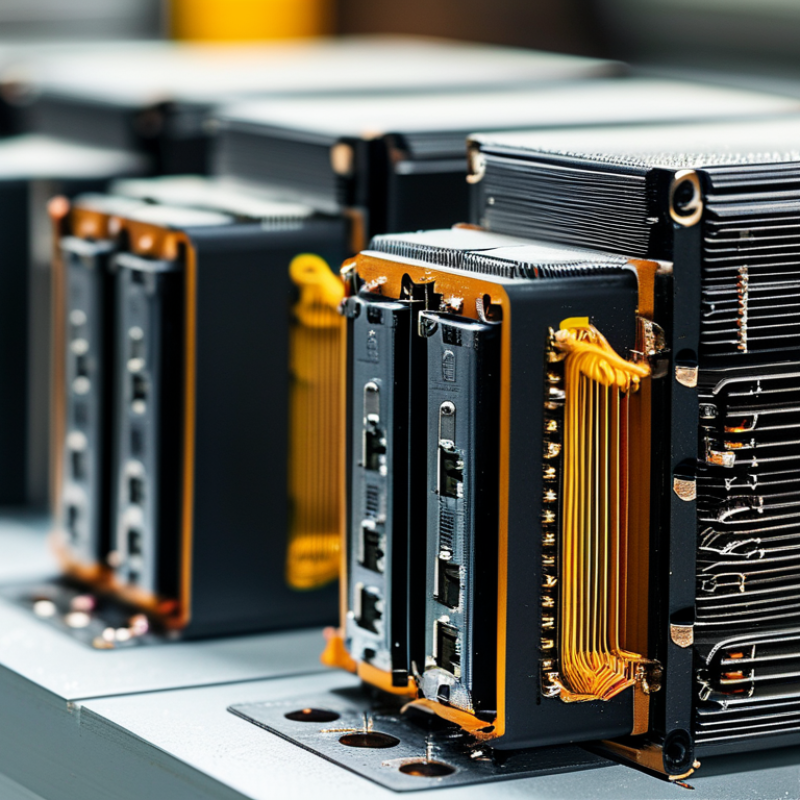
How to Choose the Best SiC Power Module for Your Applications?
Choosing the right SiC Power Module is crucial for modern applications. These modules are known for their high efficiency and performance. However, many factors influence the selection process. Power requirements, thermal management, and application type must all be considered.
Understanding these parameters can be complex. The reliability of a SiC Power Module directly impacts device longevity and efficiency. Different applications, such as automotive or industrial, require tailored solutions. Moreover, users may find it challenging to balance performance with cost.
It's essential to consider both specifications and real-world testing. Manufacturers may provide impressive data sheets, but field performance can differ. While seeking expertise from trusted sources is vital, users should remain critical. An informed choice leads to better outcomes and greater satisfaction in the long run.
Understanding SiC Power Modules and Their Importance in Applications
Silicon Carbide (SiC) power modules play a crucial role in modern electronics. With their ability to operate at high voltages and temperatures, they are essential for various applications, including renewable energy systems and electric vehicles. Understanding the importance of SiC power modules helps engineers make informed decisions when selecting the right components for their designs.
These modules are known for their efficiency. They reduce energy losses, which is vital in applications like solar inverters. When choosing SiC power modules, consider their thermal management. Poor thermal performance can lead to premature failure. Assessing the cooling mechanisms is crucial in ensuring reliability. Some designs may not provide adequate heat dissipation, leading to inefficiencies.
Another factor to reflect on is the compatibility with existing systems. Not all SiC modules work well with legacy devices. Engineers must evaluate specifications to ensure smooth integration. Testing under real-world conditions can reveal unexpected challenges. Continuous learning about the latest advancements can help address potential issues.
How to Choose the Best SiC Power Module for Your Applications?
| Parameter | Description | Importance Level | Typical Values |
| Voltage Rating | The maximum voltage the module can handle. | High | 600V, 1200V, 1700V |
| Current Rating | The maximum current the module can supply. | High | 20A, 50A, 100A |
| Switching Frequency | The frequency at which the module can switch. | Medium | 50kHz to 1MHz |
| Thermal Resistance | Resistance to heat flow in the module. | High | < 2.5 °C/W |
| Packaging Type | Type of physical package of the module. | Medium | DPAK, TO-247, D2PAK |
| Gate Drive Voltage | Voltage required to control the gate of the switch. | Medium | 15V to 20V |
Key Factors to Consider When Selecting a SiC Power Module
Choosing the right SiC power module for your application is crucial. Start by evaluating your voltage and current requirements. Different applications have specific needs. For example, industrial equipment may require higher voltage ratings. Conversely, consumer electronics often operate at lower voltages.
Thermal management is another factor to consider. SiC modules usually offer higher efficiency, but they can also generate more heat. It’s essential to think about how you will handle this heat in your design. A good cooling system can enhance performance. Neglecting thermal aspects might lead to failures you didn’t anticipate.
Finally, look at the switching frequency. Higher frequencies allow for reduced size and weight. However, they can introduce challenges in electromagnetic interference. Balancing these factors requires careful thought. Adjusting your design might be necessary to achieve optimal performance. Remember, what works for one application may not be suitable for another.
Comparing Different Types of SiC Power Modules for Specific Applications
When choosing a SiC power module, understanding the specific applications is crucial. Different types of SiC modules serve various needs. For instance, in electric vehicles (EVs), high efficiency and switching speed are paramount. A recent study highlighted that using SiC devices can enhance EV efficiency by up to 30%. This indicates a growing trend; more companies are adopting SiC technology for better performance.
In renewable energy applications, the durability and thermal performance of SiC modules shine. They can withstand high temperatures and offer excellent thermal conductivity. According to the latest industry report, integrating SiC modules in solar inverters can reduce energy losses by approximately 10%. This improvement can significantly impact the overall system efficiency.
Tips: Always assess the thermal management needs of your application. A common oversight is neglecting cooling solutions, which can lead to reduced module lifespan. Additionally, consider the module's packaging options as these can influence installation ease and reliability in real-world conditions. Focusing on these aspects ensures optimal module selection for better performance.
Evaluating Performance Metrics for SiC Power Modules
When selecting SiC power modules, performance metrics play a vital role. Efficiency, thermal performance, and switching speed are key factors to consider. A higher efficiency leads to less energy loss. Keep in mind that while higher efficiency is desirable, achieving it can sometimes compromise thermal management.
Thermal performance is equally important. Effective heat dissipation ensures reliable operation. Investigate the thermal resistance values provided in datasheets. A lower thermal resistance often indicates better thermal management, but it may not always be straightforward in real-world conditions.
Switching speed is another critical metric. Faster switching reduces losses but may introduce challenges like electromagnetic interference. Evaluate the balance between speed and system stability. Finding the sweet spot can prove difficult. Each application might yield different ideal metrics, warranting a tailored approach. Ultimately, it’s a delicate interplay of these metrics that will guide your decision.
Cost Analysis and Supplier Selection for SiC Power Modules
When selecting SiC power modules, the cost analysis can significantly impact the decision-making process. Understanding the total cost of ownership is essential. This includes initial purchase price, operational expenses, and potential maintenance costs. Sometimes, upfront savings lead to higher long-term costs. Scrutinizing your budget is crucial.
Supplier selection adds another layer to the complexity. Evaluate potential suppliers based on their market reputation and product reliability. It is vital to review their technical support and warranty offerings. A cheaper module might not always be the best option if it lacks quality. Take time to assess the supplier’s experience in the SiC market.
Gathering feedback from existing users can provide valuable insights. They often share their experiences about performance and longevity. Consider both short-term and long-term reliability in your analysis. Each component you choose impacts your system’s overall efficiency. Reassessing supplier options regularly keeps you informed of emerging technologies and prices.