10 Tips for Choosing the Best Vehicle Hail Damage Scanning System?
When selecting a Vehicle Hail Damage Scanning System, it’s crucial to consider multiple factors that impact performance and reliability. Hail damage assessment is a critical process for vehicle repair professionals. The right scanning system can significantly improve accuracy and efficiency. However, many options exist, making it challenging to choose the best one.
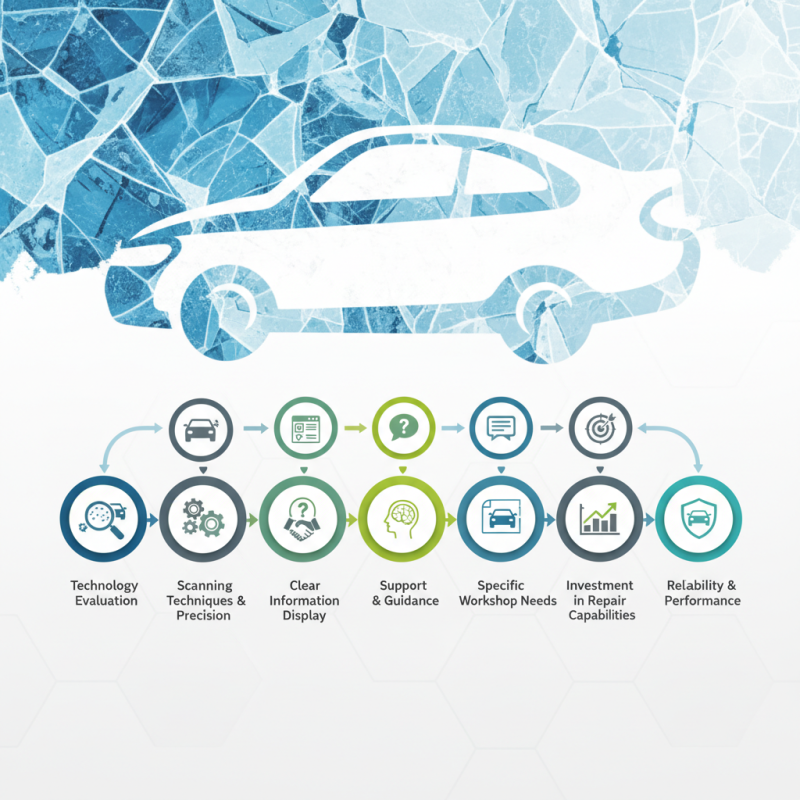
Evaluating the technology behind the systems is essential. Different systems utilize various scanning techniques, affecting their precision. User-friendliness is another critical factor. A complex interface can lead to errors in data interpretation. Seek systems that provide clear and accessible information.
Consider the support and training options available as well. Having access to expert guidance can enhance your understanding and usage of the system. Reflect on your specific needs, as each workshop may require different functionalities. Prioritizing your requirements ensures a better fit for your business. Thus, choosing a Vehicle Hail Damage Scanning System is more than just a purchase; it's an investment in your repair capabilities.
Understanding Hail Damage and Its Impact on Vehicles
Hail damage can significantly impact vehicle value and safety. According to industry studies, hailstorms cause billions in auto repair costs annually. In the U.S. alone, it’s estimated that hail events affect over 1 million vehicles each year. This damage can lead to decreased resale value and higher maintenance costs. A car with hail damage might require extensive repairs to restore its appearance and function.
Understanding the nature of hail damage is essential for car owners and repair specialists. Hailstones can vary in size, creating different levels of impact. Small hail often leaves minor dents, while larger stones can cause severe structural issues. Studies suggest that even minor dents can compromise paint integrity, leading to rust and corrosion over time. Repairing these issues promptly is crucial. If left unattended, they may escalate into more severe problems.
Choosing the right scanning system for hail damage is vital. This decision can affect the accuracy of damage assessment. Although many systems provide quick scans, inaccuracies may lead to incomplete repairs. An efficient system should ideally combine speed with precision. Selecting a reliable scanning solution can ultimately save time and costs, ensuring vehicles are restored properly after a hail event.
Key Features to Look for in Scanning Systems for Hail Damage
When evaluating scanning systems for hail damage, several key features demand attention. Accuracy is paramount. A trusted report indicates that vehicles can sustain significant damage from hailstones as small as one inch. Scanning systems must effectively identify these impacts, ensuring no hidden damage goes unnoticed. Systems with high-resolution imaging capabilities significantly reduce the risk of overlooking minor dents.
Speed and efficiency should also be a priority. Industry studies show that quick assessments can minimize repair time, benefiting both repair shops and customers. The ideal system should provide immediate feedback on the condition of the vehicle. This rapid evaluation not only enhances productivity but also increases customer satisfaction.
Moreover, user-friendly interfaces are crucial. Technicians often work under pressure. Tools that require extensive training can hinder performance. The right scanning system should allow for intuitive operation, enabling staff to quickly adapt. Despite advancements, some systems still struggle with user experience. Asking for demonstrations before purchase can help reveal these challenges.
10 Tips for Choosing the Best Vehicle Hail Damage Scanning System
| Feature | Importance | Description |
| Scanning Resolution | High | Higher resolution allows for more detailed damage assessment. |
| Portability | Medium | Easy to transport for mobile assessment at various locations. |
| Software Integration | High | Compatibility with existing systems for efficient workflow. |
| User-Friendly Interface | High | Simplifies the operation and reduces training time. |
| Battery Life | Medium | Long battery life enables extended usage without interruption. |
| Data Storage | High | Adequate storage for scanning results and easy access. |
| Durability | Medium | Resistant to environmental factors to ensure longevity. |
| Cost | High | Consider total cost of ownership, including maintenance. |
| Warranty | Medium | A solid warranty can indicate product reliability. |
| Customer Support | High | Responsive support for troubleshooting and help. |
Comparing Technologies: Ultrasound vs. Laser in Hail Damage Detection
Hail damage detection has evolved, using advanced technologies such as ultrasound and laser systems. Both methods offer unique advantages for identifying vehicle damage. A recent industry report highlighted that utilizing laser scanning can detect hail damage with an accuracy rate exceeding 95%. This precision is crucial for repair assessment and insurance processes, where accurate evaluations matter.
In comparison, ultrasound technology provides a different approach. It focuses on the acoustic properties of the vehicle's surface. A study indicated that ultrasound could identify even subtle dents that may not be visible to the naked eye. However, it requires skilled operators for effective use. Training can become a significant investment for companies looking to incorporate this technology.
While both methods are reliable, they are not foolproof. Laser systems can sometimes struggle in unfavorable lighting conditions. Similarly, ultrasound may misinterpret surface anomalies as damage. Organizations must weigh these factors carefully. Incorporating both technologies could enhance overall detection efficacy, though logistical costs may arise. Adopting multiple solutions might also lead to operational complexities needing careful management.
Cost Considerations and Budgeting for a Scanning System
When selecting a vehicle hail damage scanning system, cost is a critical factor. Many systems vary widely in price due to features and technology. It's important to define your budget before diving into options. Understand the long-term costs associated with maintenance and updates. Make sure your investment will offer value over time.
Consider the upfront cost but also plan for potential hidden fees. Installation and training could add to your expenses. Some systems come with ongoing subscription fees. Research these factors to avoid surprises. If a system appears affordable at first glance, confirm what is included in that price.
As you explore options, focus on quality versus price. A cheaper system might save money initially but could lack essential features. Make a shortlist of systems that fit both your needs and budget. Read reviews and gather insights from industry professionals. Prioritize systems with a reliable track record and solid customer support. Your choice should not solely rely on immediate costs; think about the return on investment in the long run.
Evaluating Manufacturer Reputation and Customer Support in the Market
When selecting a hail damage scanning system, evaluating manufacturer reputation is crucial. Look for companies with years of industry experience. Established manufacturers often have a proven track record of reliability and performance. Customer reviews can provide insights into product quality. A positive reputation typically accompanies long-term customer satisfaction.
Customer support is equally important. A responsive support team can make a significant difference when issues arise. Check if they offer training resources or quick troubleshooting guides. Systems without solid support can leave users frustrated and unsure. Remember, excellent support indicates a commitment to customer success.
For better decision-making, consider user testimonials that highlight both strengths and weaknesses. This authentic feedback provides real-world perspectives. Ask about ease of use and reliability from existing users. Choosing a system based solely on specifications might overlook practical challenges. Being aware of potential drawbacks can help in making a more balanced choice.




