Top 5 Tips for Choosing a Glue Laminating Machine at Canton Fair 2026?
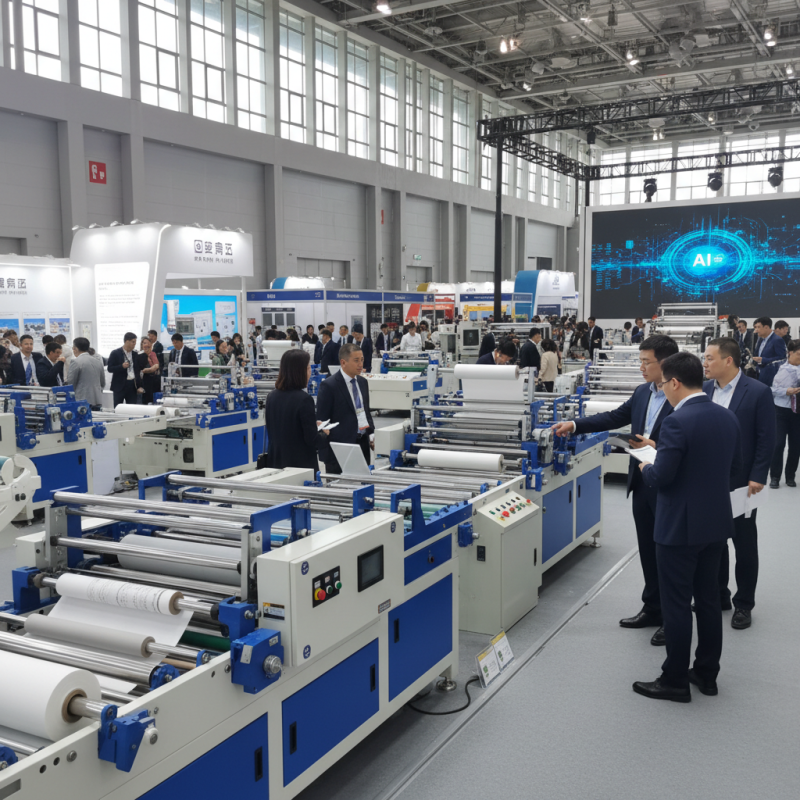
Choosing the right Glue Laminating Machine is crucial for enhancing production efficiency. The 2026 Canton Fair, happening from April 15 to May 5, presents a unique opportunity for businesses in the laminating sector. With over 1.55 million square meters of exhibition space, the fair offers extensive choices. Many suppliers will showcase advanced technologies, including AI-driven solutions for better decision-making.
Recent industry reports indicate that the global laminating machine market is expected to grow by 6% annually. This growth is driven by rising demand for quality packaging and product durability. However, navigating through numerous options requires a thorough evaluation of critical factors. Buyers need to reflect on their specific needs and qualifications, such as ISO and CE certifications.
AI features at the fair will assist in streamlining vendor searches. This innovation allows buyers to find suitable suppliers more efficiently. Yet, potential buyers must remain vigilant and critical. Not every vendor will meet your standards. It is essential to ask detailed questions and request further clarification when needed. Understanding the intricacies of each Glue Laminating Machine is fundamental before making a commitment.
Key Features to Look for in a Glue Laminating Machine
When selecting a glue laminating machine, several key features stand out. One important aspect is the machine's speed. Look for models that can efficiently handle high-volume tasks. A faster machine can significantly increase productivity, but balance is key. Sometimes, machines that are too fast may compromise on quality.
Another critical feature is the machine's versatility. It should be capable of working with various materials. Whether you need to laminate paper or heavier substrates, adaptability is essential. Check the machine's specifications closely. A machine that specializes in one type of material may not serve all your needs effectively.
Quality of adhesion is vital as well. The glue applied must ensure a strong bond that withstands the test of time. Poor adhesion can lead to failures in projects. Look for features that allow for precise application of glue, which can significantly reduce waste. Keep an eye out for machines that include adjustable settings for different types of projects.
Understanding Different Types of Glue Laminating Machines
When considering a glue laminating machine, it’s essential to understand the various types available. Key options include roller, flatbed, and cold lamination machines. Roller laminators are efficient for continuous materials. They often produce a smooth finish. Flatbed machines, however, cater to larger sheets. They allow for precise alignment and complex projects.
Cold lamination machines can be quite different. They do not use heat to activate the adhesive. This makes them suitable for heat-sensitive materials. It’s important to know these differences to make an informed choice. Many buyers overlook essential details. What might seem like a minor difference can affect the final product.
Visiting the Canton Fair offers a chance to see these machines up close. Engaging with manufacturers can deepen your understanding. Ask about the machine's specifications. Check how each type performs with different materials. This hands-on experience can clarify what you really need. Don't hesitate to test them if possible. Sometimes, the perfect machine might not look impressive at first glance.
Evaluating the Brand Reputation and Reliability
When selecting a glue laminating machine, evaluating the brand reputation is crucial. A strong reputation indicates reliability and quality. Research online reviews and ratings to gauge customer satisfaction. Check industry forums for feedback. If a brand has consistent positive remarks, it’s worth considering.
Another key aspect is reliability. Machines should perform well under various conditions. Look for user experiences about durability and maintenance needs. A machine that requires frequent repairs can lead to losses. Visit the vendor's booth to ask about service support and warranty options.
Here are some tips to remember when at the Canton Fair. Pay attention to the machine’s specifications. It’s essential to understand capacity and material compatibility. Compare different models side-by-side to see what stands out. A personal demonstration helps in assessing performance. Don’t hesitate to engage with representatives to clarify any doubts.
Comparing Costs and Return on Investment
Selecting a glue laminating machine at the Canton Fair is a significant investment. Understanding costs is crucial. Prices may vary based on features and specifications. Models with advanced technology often cost more. However, they might offer better efficiency and durability.
Return on investment (ROI) is another key factor. You need to assess how quickly the machine pays for itself. Consider the volume of laminating you plan to do. If production is high, a more expensive machine could yield savings in labor and materials. Look for testimonials on user experience and maintenance costs.
However, not every machine that shines at the Fair deserves a second look. Some may have enticing features but limited support options. It's essential to balance initial costs with long-term viability. Sometimes, cheaper models may lead to higher maintenance expenses. Be cautious and consider your actual needs.
Assessing After-Sales Support and Maintenance Services
When selecting a glue laminating machine at the Canton Fair 2026, evaluating after-sales support is crucial. A reliable support system ensures smooth operation and peace of mind. Consider how quickly service can be accessed. Check if the supplier offers local technicians. This can significantly reduce downtime during production.
Maintenance services are another key aspect. Look into the type of maintenance packages offered. Are they comprehensive? Do they cover essential components regularly? It’s wise to ask about response times for maintenance requests. Delays can lead to lost revenue and frustrated staff.
An ideal scenario would involve clear communication with the provider. Many buyers overlook this aspect, focusing only on the machine's features. Think about the future. Will the provider still support the equipment as new models emerge? Neglecting this can lead to unanticipated challenges later on, such as having outdated technology without proper support.
Top 5 Tips for Choosing a Glue Laminating Machine at Canton Fair 2026
| Feature | Importance | Considerations | Rating (1-5) |
| After-Sales Support | High | Check warranty duration and response times | 5 |
| Maintenance Services | High | Availability of spare parts and service staff | 4 |
| User Training | Medium | Training programs and documentation quality | 4 |
| Customer Feedback | Medium | Research reviews and testimonials from users | 3 |
| Cost of Ownership | Medium | Consider initial cost versus long-term expenses | 4 |




