What is an Electro Permanent Magnetic Lifter and How Does It Work?
Electro Permanent Magnetic Lifters are revolutionary tools in material handling. They combine the principles of electromagnetism and permanent magnets to lift heavy loads efficiently. Unlike traditional lifting devices, these lifters offer a simple and reliable operation.
An Electro Permanent Magnetic Lifter provides strong lifting capacity. It can hold loads securely without continuous power supply. This capability enhances safety and efficiency in various industrial applications. While they are effective, one should be cautious about their limitations. Improper use can lead to accidents or equipment damage. Understanding the specific requirements and conditions is crucial.
These lifters are commonly used in manufacturing and shipping industries. They demonstrate versatility by lifting steel plates, blocks, and other ferromagnetic materials. Furthermore, while the technology is impressive, adequate training is essential for operators. Knowledge about the equipment ensures safe and effective use. Overall, the Electro Permanent Magnetic Lifter stands as a modern solution in the evolving landscape of material handling.
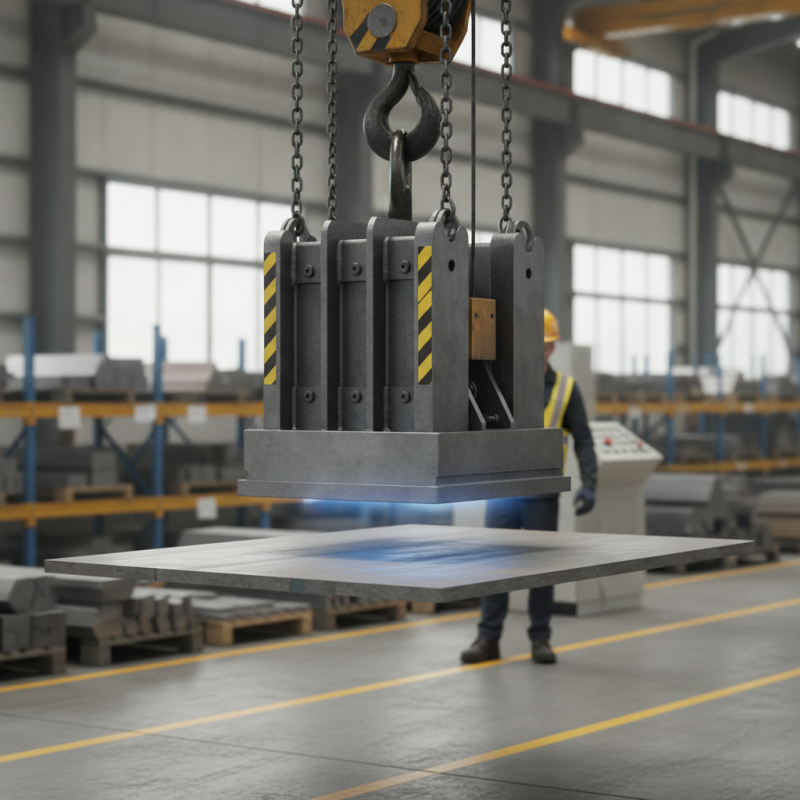
What is an Electro Permanent Magnetic Lifter?
An Electro Permanent Magnetic Lifter (EPML) is a device that uses permanent magnets activated by electrical current. This technology offers a reliable method for lifting heavy materials. The key feature of an EPML is its ability to maintain magnetism even when power is off. According to a report by the International Magnetics Association, these lifters can handle loads up to 2000 kg with minimal energy consumption.
The mechanism behind an EPML is both simple and effective. It utilizes a series of magnets that can be toggled between active and inactive states. This ensures safety during operations. Users can lift materials like steel and other ferromagnetic items easily. A survey also indicates that using EPMLs in factories improves efficiency by 30%. This improvement often leads to reduced accident rates, enhancing workplace safety.
However, one should consider the limitations as well. The effectiveness of an EPML depends on the condition of the materials being lifted. Rust or paint can impact the magnetic grip. Regular maintenance is crucial for optimal performance. Understanding these factors can help operators maximize the device's capabilities and improve overall operational safety.
The Mechanism Behind Electro Permanent Magnetic Lifters
Electro Permanent Magnetic Lifters are advanced tools used in industrial settings. Their operation is based on a unique mechanism that combines both permanent magnets and electrical control. When electricity passes through the coil, it alters the magnetic field, allowing the lifter to hold and release heavy materials with ease. This dual functionality enhances safety and efficiency in material handling.
The magnetic force generated can lift loads weighing up to several tons. According to a recent industry report, the lifting capacity of electro permanent magnetic lifters can reach up to 5,000 kg. This significant capability reduces the risk of drops or accidents during transport. The design incorporates a reliable fail-safe mechanism that deactivates the magnetic field in case of a power failure. However, reliance on electrical components can sometimes raise concerns about potential system failures.
In practice, using these lifters can be complex. Workers must undergo proper training to ensure safe operation. Misalignment or incorrect setup may lead to decreased efficiency or even accidents. Regular maintenance checks are vital for long-term reliability. Additionally, users often find challenges in understanding full load capacities versus real-world variables, which can complicate operational effectiveness. While electro permanent magnetic lifters offer numerous advantages, an emphasis on user education and system checks is crucial.
Key Advantages of Using Electro Permanent Magnetic Lifters
Electro Permanent Magnetic Lifters (EPMLs) are advanced tools used in various industries for moving heavy objects safely and efficiently. One key advantage of EPMLs is their energy efficiency. Unlike traditional electromagnets, these lifters require minimal electrical power once activated. This allows for reduced operational costs and less strain on power systems.
Another significant benefit is their reliability. EPMLs can maintain their magnetic hold without continuous energy supply. This feature enhances safety, as the load remains secured even if power is lost unexpectedly. In addition, they are designed with robust materials that can withstand harsh working conditions, ensuring longevity and dependability.
Using EPMLs leads to increased productivity. Workers can lift and move loads without strenuous manual effort. However, it's crucial to train personnel on their proper use. Mistakes in handling can lead to accidents, which is a concern that should not be overlooked. While EPMLs offer many advantages, awareness of their operational limitations is essential for safe use.
Applications of Electro Permanent Magnetic Lifters in Industry
Electro Permanent Magnetic Lifters (EPMLs) have found wide applications across various industries. Their powerful lifting capabilities make them crucial for moving heavy ferrous materials. In manufacturing, EPMLs are often used to lift steel plates and other components. They streamline production processes and improve safety. By reducing the need for manual handling, they limit the risk of injuries.
In construction, these lifters are invaluable. They assist in placing large steel beams and structures. This efficiency reduces project time and labor costs. Moreover, EPMLs can easily switch on and off, providing flexibility in handling different loads. However, users need to be cautious regarding weight limits. Overloading can result in equipment failure or accidents. Regular inspections are vital for ensuring safe operations.
The transport industry also benefits from EPMLs. They are effective in loading and unloading materials in warehouses. Their ability to grip irregular surfaces adds to their appeal. Yet, there's a learning curve for operators to master their use. Understanding their controls and safety features is essential. Addressing these challenges can enhance overall productivity.
Electro Permanent Magnetic Lifters in Industrial Applications
Safety Features and Operational Considerations in Usage
Electro Permanent Magnetic Lifters offer a unique solution for handling heavy materials. However, safety features and operational considerations must be at the forefront of their usage. One critical safety aspect is the design of the magnetic circuit. A reliable circuit ensures optimum lifting force and reduces the risk of accidental disengagement. Regular inspections are essential to identify any wear or fatigue in components that might compromise safety.
Operators should be trained extensively. They need to understand the lifter's capabilities and limitations. Proper training allows users to make informed decisions about the weight and type of loads lifted. Misjudging these factors can lead to dangerous situations, such as equipment failure or injury. Additionally, environmental factors play a vital role. Extreme temperatures and humidity can affect the lifter's performance. Operators should be aware of these conditions and adjust their practices accordingly.
Maintenance routines are another critical consideration. Regular servicing ensures all parts function as they should. This includes checking power supplies and verifying that the magnetic field strength meets operational requirements. Neglecting maintenance can lead to catastrophic failures, highlighting the importance of a proactive approach. Operators should document all inspections and updates, maintaining a reliable history of the lifter's condition.
What is an Electro Permanent Magnetic Lifter and How Does It Work? - Safety Features and Operational Considerations in Usage
| Parameter | Value |
| Lifting Capacity | Up to 3000 kg |
| Power Supply | 12V DC |
| Weight of Lifters | Approximately 45 kg |
| Magnet Type | Electro Permanent Magnet |
| Safety Features | Fail-safe mechanism, Overload protection |
| Operating Temperature Range | -20°C to 50°C |
| Efficiency | Up to 90% |
| Control Method | Manual/Remote Control |




