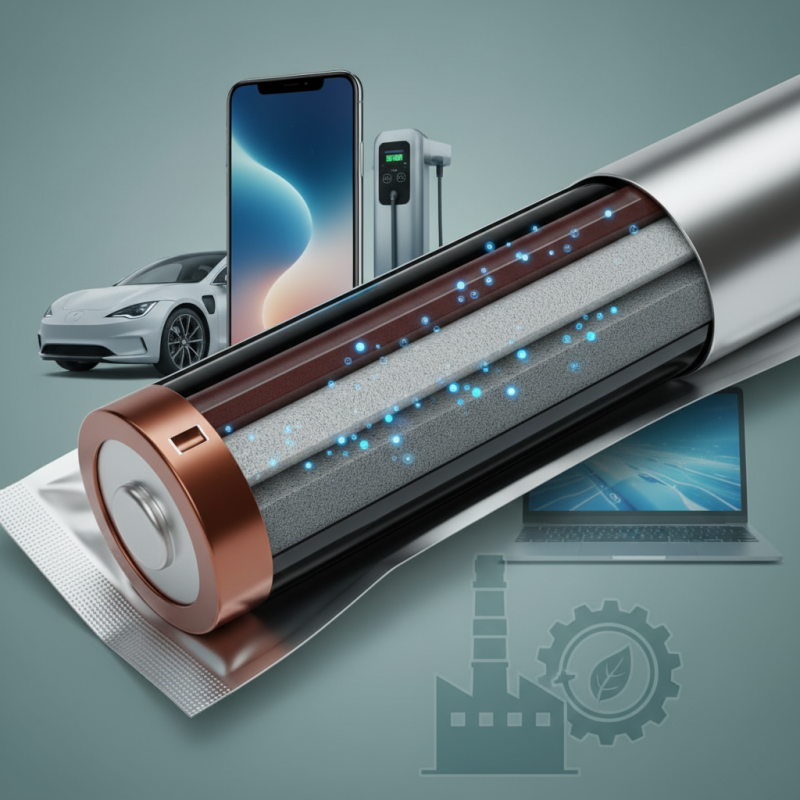
What Are Lithium Batteries and How Do They Work?
Lithium Batteries have become a cornerstone of modern technology. They power everything from smartphones to electric vehicles. Dr. Emily Tran, a leading expert in battery technology, emphasizes, “Lithium Batteries have transformed energy storage and usage.” This innovation has dramatically changed our daily lives.
Despite their benefits, Lithium Batteries are not without challenges. For instance, safety concerns arise from overheating and potential fires. Additionally, the mining of lithium can lead to environmental issues. While these batteries are efficient, their production raises questions about sustainability.
Understanding how Lithium Batteries work can help us navigate these complexities. They rely on the movement of lithium ions between electrodes. This dynamic process is both fascinating and intricate. As we rely more on this technology, it is crucial to address the issues surrounding its use.
What Are Lithium Batteries and Their Key Components?
Lithium batteries are a popular energy source, widely used in many devices. They consist of several key components that play crucial roles in their operation. At the heart of the battery is the anode, typically made of graphite. The anode stores lithium ions during charging. When discharging, these ions move to the cathode, releasing energy.
The cathode is usually constructed from lithium metal oxide. It serves as the destination for lithium ions. During usage, the movement of these ions generates electric current. Additionally, an electrolyte facilitates the movement of lithium ions between the anode and cathode. Often, this electrolyte is a lithium salt dissolved in a solvent.
There are challenges with lithium batteries. They can degrade over time, losing capacity. Safety is another concern; overheating can lead to thermal runaway. These issues highlight the importance of ongoing research. Improvements are needed to enhance performance, safety, and longevity. Despite these flaws, lithium batteries continue to be a critical component of modern technology.
The Electrochemical Process: How Lithium-Ion Batteries Generate Power
Lithium-ion batteries are prevalent in modern technology. They generate power through an electrochemical process. This process involves the movement of lithium ions between two electrodes: the anode and the cathode. During discharge, these ions move from the anode to the cathode, creating an electric current that powers your devices.
The electrochemical reactions are complex but fascinating. At the anode, lithium atoms lose an electron. These electrons travel through an external circuit, producing electrical energy. Meanwhile, lithium ions migrate through the electrolyte to the cathode. This movement is critical for maintaining the battery's charge balance.
Tips: When using lithium-ion batteries, avoid extreme temperatures. Heat can cause damage and impact lifespan. Regularly check for any swelling in batteries, as it can signal a failing unit. Despite their efficiency, not all batteries perform well under pressure. They can degrade over time, influencing their ability to hold a charge. Performance diminishes, and you'll notice it if you forget about them. Proper care can enhance performance, but it’s easy to overlook battery maintenance amidst daily life.
Advantages of Lithium Batteries Over Traditional Battery Technologies
Lithium batteries have transformed the energy storage landscape. They are lighter and more efficient than traditional battery technologies. This makes them a popular choice for portable devices and electric vehicles. Their ability to hold a large amount of energy in a small space is impressive. Unlike older batteries, lithium batteries have low self-discharge rates. This means they can retain energy for longer periods when not in use.
Another key advantage is their longer lifespan. Lithium batteries can typically last for several years, outpacing many lead-acid or nickel-cadmium batteries. This longevity translates into less frequent replacements, reducing waste and cost over time. Additionally, they charge faster. This quick charging is essential for modern lifestyles, where time is crucial.
However, there are challenges to consider. Lithium batteries can be sensitive to temperature variations. Extreme heat may lead to safety concerns. Moreover, the extraction process for lithium can raise environmental questions. People are increasingly looking at these factors. Balance is essential as we embrace this technology. The benefits are clear, but awareness and responsibility are just as important.
Current Market Trends: Growth of Lithium Battery Industry by 2025
The lithium battery industry is on a remarkable growth trajectory, projected to reach a market value of $100 billion by 2025. The increased demand for electric vehicles (EVs) and renewable energy solutions drives this trend. A recent report by BloombergNEF indicates that the global EV market alone could require more than 3 million tons of lithium by 2025. This surge in demand highlights a critical need for sustainable lithium sourcing practices.
While the projections are promising, challenges persist. Supply chain disruptions and environmental concerns regarding lithium extraction pose significant hurdles. Reports show that lithium mining has raised environmental issues, from water scarcity to habitat destruction. Companies in the industry face pressure to adopt greener practices while meeting high production demands. Consumers are also becoming more aware of these issues, leading to increased scrutiny of battery sourcing.
Innovation is necessary for the future of lithium batteries. Researchers are exploring alternative materials and recycling methods to reduce dependence on raw lithium. The rapid evolution of solid-state batteries signals a potential shift in technology, aiming for higher efficiency and safety. As the industry grows, it must balance economic gains with ethical responsibility. The way forward will require reflection and significant commitment to sustainable practices in lithium battery production.
Growth of Lithium Battery Industry by 2025
This chart illustrates the projected growth of the lithium battery market from 2022 to 2025, showcasing the increasing demand across various sectors. The market is expected to grow significantly due to advancements in technology and a shift towards renewable energy sources.
Future Innovations: Advances in Lithium Battery Technology and Applications
Recent advancements in lithium battery technology are reshaping industries. For example, a report by the International Energy Agency indicates that the global lithium-ion battery market is projected to reach 300 billion USD by 2030. This growth is fueled by the demand for electric vehicles and renewable energy storage solutions.
Innovative designs are emerging, such as solid-state batteries. These batteries utilize a solid electrolyte instead of a liquid one. They promise higher energy density and increased safety. However, challenges remain. Manufacturing methods are expensive and scalability is still a concern. Researchers are exploring ways to overcome these obstacles.
In addition, recycling processes for lithium batteries are gaining attention. Approximately 95% of lithium can be recovered during recycling. This is crucial as the demand for raw materials rises. Sustainability is a vital focus. Yet, current recycling methods are often inefficient and costly. This could slow down the overall progress of battery innovations.
What Are Lithium Batteries and How Do They Work? - Future Innovations: Advances in Lithium Battery Technology and Applications
| Parameter | Description | Value |
| Energy Density | Amount of energy stored per unit mass | 150-250 Wh/kg |
| Cycle Life | Number of charge/discharge cycles before significant capacity loss | 500-1500 cycles |
| Voltage Range | Operating voltage range of the battery | 3.0-4.2 V |
| Charging Time | Time required to fully charge the battery | 1-3 hours |
| Temperature Range | Safe operating temperature for the battery | -20°C to 60°C |
| Common Applications | Typical devices and vehicles that use lithium batteries | Smartphones, laptops, electric vehicles |