What is Plastic Injection Mold and How Does it Work?
Plastic Injection Molding is a crucial manufacturing process in today's industry. According to a recent report by Grand View Research, the global plastic injection molding market size was valued at approximately $270 billion in 2021. This figure is projected to expand as industries look for efficient production methods.
The Plastic Injection Mold operates by injecting molten plastic into a pre-designed mold. This process allows for intricate designs and high-volume production. Yet, many manufacturers still struggle with mold design challenges. Understanding the morphology and flow characteristics of molten plastic is essential for optimal outcomes.
Data from MarketsandMarkets shows that the adoption of automation in this field is increasing. This trend reflects a shift towards precision and efficiency. However, it is not without its drawbacks. The capital costs of high-tech molds can be prohibitive for smaller companies. Careful planning and design adjustments are essential to maximize the effectiveness of Plastic Injection Molds.
What is Plastic Injection Molding?
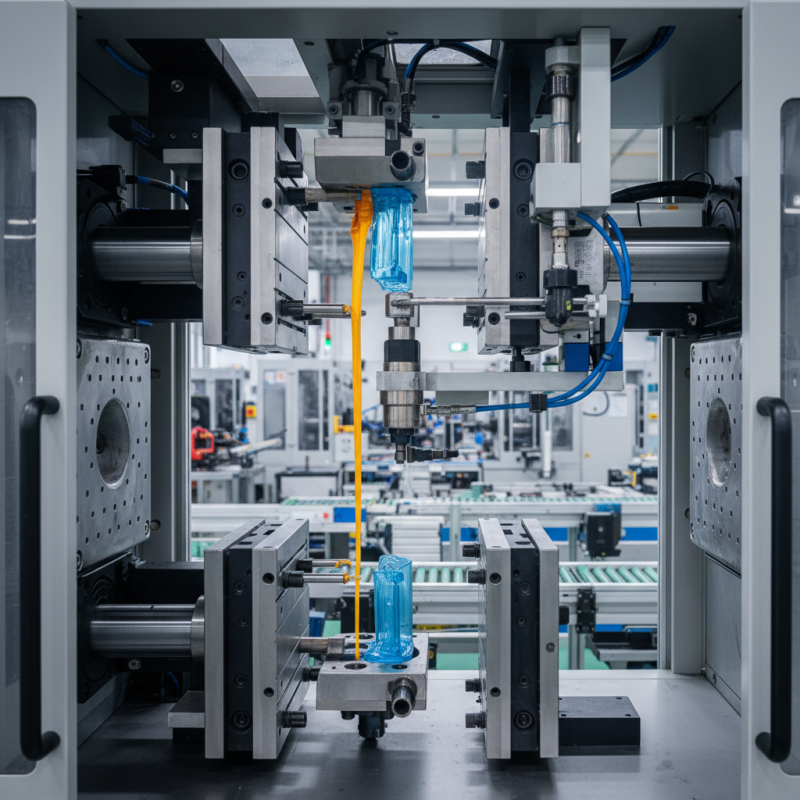
Plastic injection molding is a popular manufacturing process for creating plastic parts. It involves injecting molten plastic into a mold cavity. The mold determines the final shape and details of the product. This method allows for high precision and repeatability, making it ideal for mass production.
During the process, plastic granules are heated and melted. The molten plastic is then forced into the mold under high pressure. After cooling, the solidified part is ejected from the mold. However, not all parts come out perfect. Some may have imperfections, which require quality checks. These mistakes can lead to increased costs and delays.
The versatility of plastic injection molding makes it suitable for various applications. From automotive components to consumer goods, it plays a crucial role in modern manufacturing. Yet, the environmental impact of plastic waste raises questions. Many companies are now exploring sustainable alternatives while refining their processes. Balancing efficiency and responsibility is an ongoing challenge.
The Components of a Plastic Injection Mold
A plastic injection mold consists of several key components that work together to create precise plastic parts. The mold itself is divided into two halves: the core and the cavity. The core forms the interior shape, while the cavity gives the outer shape. These sections fit tightly together, ensuring minimal gaps.
When the molten plastic enters the mold, it fills every corner and detail. Cooling channels are integrated into the design to expedite the cooling process. This can sometimes be a challenge. If the cooling is uneven, it leads to warping or other defects.
Mold bases support the structure. They provide stability and alignment during injection. Then there are ejector pins, which push the finished part out of the mold. Some designs may overlook the placement of these pins, leading to damage on the final product. It’s crucial to consider every component’s role, as even small errors can affect the overall quality.
The Injection Molding Process Step-by-Step
The injection molding process begins with the creation of a mold. This mold is typically made of metal and consists of two halves. When these halves are clamped together, they form a cavity that shapes the plastic. The choice of material for the mold is crucial. It impacts durability and the final product's quality.
Next, plastic granules are fed into a heated barrel. Here, they melt and become a thick liquid. This liquid is then injected into the mold cavity under high pressure. The pressure ensures that the material fills every corner of the mold. Curing often follows. This phase allows the plastic to cool and harden inside the mold. Timing is critical during this step. Too long, and you risk damage; too short, and the product might deform.
Finally, the mold opens to release the finished part. This step can be tricky. If not done correctly, the product could stick to the mold. Proper maintenance of the mold is essential to avoid such issues. Each step in injection molding presents challenges that require careful attention to detail. Small errors can lead to significant problems in production quality.
Applications and Advantages of Plastic Injection Molding
Plastic injection molding is a widely-used manufacturing process in various industries. This method allows for the production of complex shapes with high precision. According to a report by Grand View Research, the global plastic injection molding market is projected to reach over $300 billion by 2027. This growth showcases the increasing demand for lightweight and durable plastic components.
The advantages of plastic injection molding are numerous. It offers consistent quality, high efficiency, and the ability to produce intricate designs. For example, automotive parts, medical devices, and consumer goods benefit significantly from this technology. An Automotive Industry report indicates that around 70% of all automotive parts are made using injection molding. This process also reduces waste, as it uses only the necessary amount of material.
However, the process has its challenges. The initial cost of mold creation can be high, and production time is optimized for larger batches. Small production runs may not be cost-effective. Additionally, maintaining the molds requires careful management, which can lead to issues if not properly handled. Such factors should be considered when choosing injection molding for any project.
What is Plastic Injection Mold and How Does it Work? - Applications and Advantages of Plastic Injection Molding
| Aspect | Details |
| Definition | A manufacturing process for producing parts by injecting material into a mold. |
| Materials Used | Thermoplastics, thermosetting polymers, and elastomers. |
| Applications | Automotive parts, consumer goods, medical devices, packaging, and more. |
| Advantages | High production rates, consistency, complex geometries, and reduced waste. |
| Process Steps | Material preparation, injection, cooling, and ejection. |
| Cycle Time | Typically ranges from a few seconds to several minutes based on part size and complexity. |
Common Materials Used in Plastic Injection Molding
Plastic injection molding is a widely used manufacturing process. It is affordable and efficient. The choice of materials plays a crucial role in the final product's quality and performance.
Common materials for plastic injection molding include thermoplastics and thermosets. Thermoplastics, such as polyethylene and polystyrene, are versatile. They can be reheated and reshaped, making them ideal for various applications. Thermosets, like epoxy and polyurethane, are not as flexible. They cure into a hard, permanent shape, which can be beneficial in specific situations.
While these materials have distinct advantages, they also present challenges. For example, some thermoplastics may warp under heat. Improper handling can lead to defects in the final product. Understanding the properties of each material is essential. It can help manufacturers avoid issues during the molding process. Always consider the end-use of the product when selecting a material.




