What Is an SAE LED Light Bar Used For?
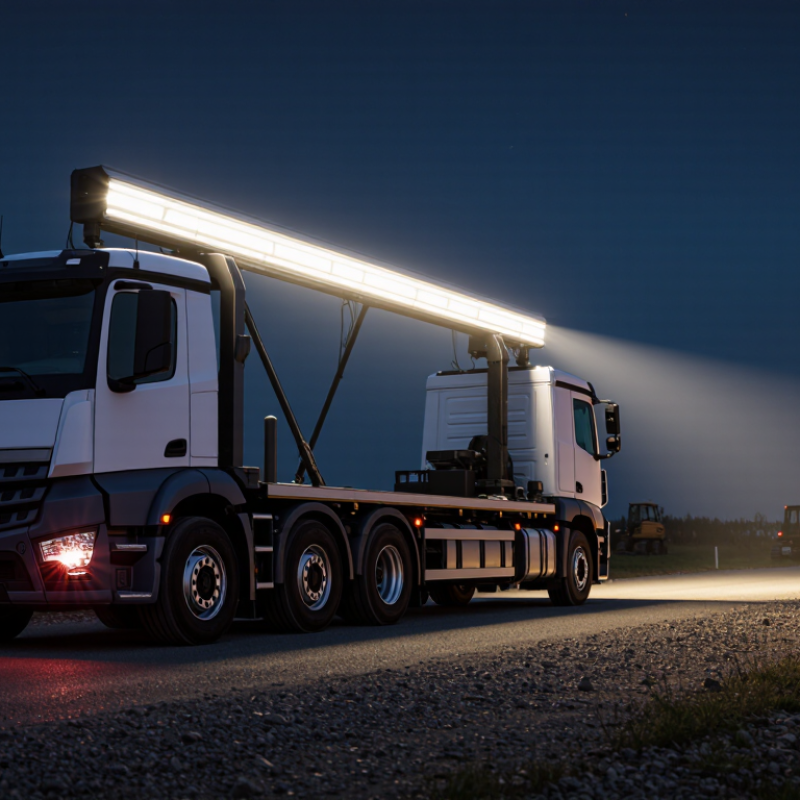
An Sae Led Lightbar is designed to improve forward visibility, vehicle conspicuity, or work-area illumination in demanding conditions. It commonly appears on utility trucks, recovery vehicles, agricultural equipment, construction machinery, and authorized emergency vehicles. On a dark roadside, its beam can reveal reflective signs, uneven gravel, branches, or equipment several meters ahead. The exact purpose depends on beam pattern, output, mounting height, and operating environment.
Professional standards provide useful boundaries. SAE International’s J575 test standard addresses environmental durability, including vibration, moisture, and temperature exposure. SAE J595 evaluates directional flashing optical warning devices, while SAE J578 concerns lighting color specifications. These standards support disciplined product evaluation, but an SAE reference does not automatically prove road legality. Local authorities, vehicle regulations, and installation requirements still matter.
Performance claims also need careful interpretation. The U.S. Department of Energy’s Solid-State Lighting research reports describe laboratory LED packages exceeding 200 lumens per watt, yet complete lightbars usually perform below that figure. Optics, heat management, wiring, and lens design reduce real-world efficiency. The International Energy Agency continues to identify efficient lighting as an important electricity-saving opportunity. However, brightness alone is not safety.
A reliable Sae Led Lightbar should offer stable thermal control, sealed connectors, corrosion resistance, and a measured beam pattern. I have learned that “more powerful” can be an incomplete answer. Excessive glare may hinder nearby drivers or workers. The better question is practical: where will the light be used, how long will it operate, and which standard or local rule applies? This perspective makes the product choice more defensible, even when the terminology remains imperfect.
What Defines an SAE-Compliant LED Light Bar?
What Is an SAE LED Light Bar Used For?
An SAE LED light bar is designed to improve visibility in demanding driving conditions. It may support work vehicles, emergency-response equipment, utility trucks, or off-road machines. Its value depends on the light pattern and approved application. A wide flood beam can illuminate a work area, while a focused beam reaches farther down a dark trail. SAE marking alone does not define the beam’s purpose.
What Defines an SAE-Compliant LED Light Bar?
An SAE-compliant light bar should meet the requirements of an applicable SAE standard. These requirements can address brightness, beam distribution, color, flash behavior, durability, and electrical performance. The correct standard matters. A lamp designed for warning use should not be judged by the same criteria as a forward-facing driving lamp. Product documents should identify the tested function, standard reference, and operating conditions.
Look for clear photometric data.
A practical inspection should include the lens, housing, wiring, and mounting points. The beam should remain stable without dark gaps or excessive glare. Wiring needs suitable insulation, fusing, and secure connections. Mounting should prevent vibration from changing the lamp’s aim. A common mistake is treating an SAE label as automatic legal approval. It is not. Local vehicle rules may impose separate limits on placement, color, flashing, and road use. Even experienced installers can overlook these details. The label helps, but verification requires careful reading of the test information and installation instructions.
What Is an SAE LED Light Bar Used For?
An SAE-compliant LED light bar is designed for a defined vehicle-lighting purpose and evaluated against the applicable SAE requirements. Depending on its intended use, relevant references can include standards for optical warning devices and test procedures for vehicle lighting equipment.
SAE Standards Related to Vehicle Warning Lights
The bars show SAE document identifier numbers only; they are not performance scores, rankings, or certification levels. SAE J845 and SAE J595 address optical warning devices, while SAE J575 describes test methods for motor vehicle lighting devices and components. The applicable standard depends on the light’s intended function.
How Does an SAE LED Light Bar Improve Visibility?
An SAE LED light bar improves visibility by putting additional light where standard headlights may leave dark gaps. Its wide beam can reveal road edges, branches, work equipment, or uneven ground sooner. That extra detail matters at night. The Insurance Institute for Highway Safety reports that the fatal-crash rate per mile is about three times higher at night than during the day. A light bar cannot remove that risk, but a well-aimed beam can help drivers notice hazards earlier.
Beam pattern matters more than a dramatic brightness claim. A broad, even spread helps illuminate nearby shoulders, while a focused beam reaches farther ahead. SAE J575 provides test procedures for vehicle lighting devices, including environmental and vibration testing; SAE J581 covers auxiliary upper-beam lamps. These standards describe testing and performance categories, not a guarantee that every light bar suits every vehicle. Check the product’s documented specifications and installation guidance.
Aim it carefully. A beam pointed too high can create glare, and light bouncing off dust, fog, or wet surfaces may make details harder to read. I’ve found that a bright patch on the pavement can feel reassuring, yet still hide a dark roadside edge. Test the setup in a safe, stationary location, then adjust the angle so the road is lit without flooding the eyes of other drivers. Visibility is useful. Glare is not.
Which Vehicles and Driving Conditions Use SAE Light Bars?
What Is an SAE LED Light Bar Used For?
Which Vehicles and Driving Conditions Use SAE Light Bars?
An SAE LED light bar is commonly fitted to pickup trucks, utility vehicles, agricultural machinery, and off-road vehicles. It can improve forward visibility on unlit trails, remote worksites, and rural roads. The SAE marking usually refers to compliance with a specific lighting standard, such as SAE J581 or SAE J575. It does not automatically mean the light is legal for every public road.
Pickup drivers often use these bars during nighttime recovery work, snow clearing, and trail maintenance. Fleet operators may install them on service trucks that travel between dark job sites. Construction and farm equipment also benefit from a wider beam pattern. However, beam height and aiming matter. A bright lamp pointed toward oncoming traffic can create dangerous glare.
The need is real. The U.S. National Highway Traffic Safety Administration reported 42,514 traffic deaths in 2022, with darkness remaining a major risk factor. AAA Foundation research also shows that glare can reduce visual comfort and delay hazard recognition. Therefore, SAE light bars are most useful where ambient lighting is poor, traffic is limited, and extra illumination supports a specific task. They are not a magic shield. I have seen poorly aimed bars reflect from dust, rain, and snow, reducing useful contrast. Better mounting, careful adjustment, and switching to low output near other drivers can make a greater difference than maximum brightness.
What Features Distinguish SAE Light Bars from Off-Road Bars?
What Is an SAE LED Light Bar Used For?
An SAE LED light bar supports regulated warning and visibility functions on authorized vehicles. It is not simply a brighter off-road lamp. SAE J595 classifies warning lamps by photometric performance, including Class 1, Class 2, and Class 3 output levels. SAE J845 also addresses optical warning devices used on service vehicles. These standards examine brightness, color, flash characteristics, and visibility from different angles.
The hardware is tested, too. SAE J575 covers environmental durability, including vibration, moisture, dust, corrosion, and temperature exposure. This matters when a light bar faces rain, road spray, and constant vehicle movement. Some manufacturers also reference SAE J578 for color requirements. The markings should match documented test results, not only a sales description.
Off-road bars follow a different purpose. They usually emphasize long-distance illumination, wide beams, or high claimed lumen figures. Their output may look impressive on a dark trail, but lumens alone do not prove warning effectiveness. A field technician may notice the difference at an intersection: an SAE-focused bar creates controlled flashes, while an off-road bar may simply flood the scene with white light. The distinction is not always obvious. Installation angle, wiring, and lens condition still affect performance. I have seen buyers treat “SAE” as a universal quality label, which is an imperfect assumption. The exact SAE standard and test scope deserve closer inspection.




