10 Tips for Choosing the Best Jail Downlight
Choosing a Jail Downlight for a secure facility involves more than selecting a bright fixture. Lighting affects visibility, comfort, maintenance, and the daily work of staff. A poorly matched fitting may create glare, leave dim patches, or require frequent replacement. Small details matter.
These ten tips will help compare fixtures against the actual room and its operating needs. Start with the ceiling cutout and available depth. Then consider beam spread, light output, color consistency, and glare control. Check the fixture’s construction and published impact and ingress ratings, rather than relying on appearance alone. A sealed, robust design may suit demanding spaces, but it still needs appropriate installation and routine inspection. Not every room needs the same specification.
Also review driver access, cleaning requirements, expected service life, and compatibility with emergency lighting or controls where applicable. Ask suppliers for technical datasheets and verify that the proposed product meets the facility’s own specifications. Requirements can vary by location and project, so qualified electrical professionals should confirm suitability before purchase. A sample installation can reveal harsh shadows or uncomfortable glare that a product sheet cannot show. That extra check may feel slow. It can prevent a costly mismatch. No single Jail Downlight suits every environment, and product descriptions do not replace on-site assessment. Use these practical checks to make a clearer, evidence-based choice.
Understanding Lighting Requirements in Jail Facilities
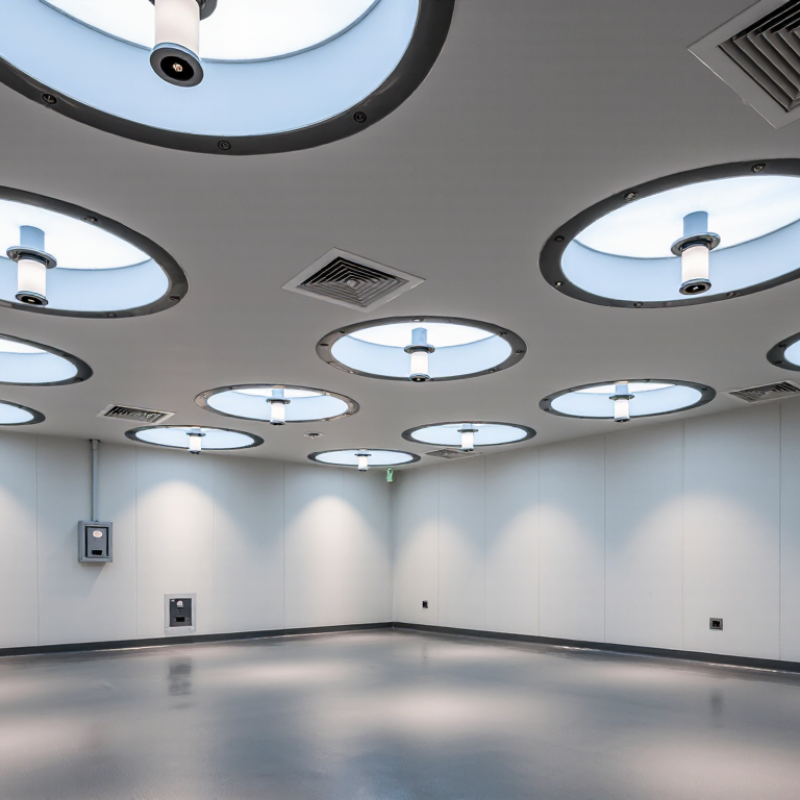
Lighting in a jail facility must support safe movement, clear observation, and everyday tasks—not merely brighten a room. A cell, corridor, and interview room each need different light levels and beam patterns. In narrow corridors, evenly spaced downlights can reduce dark patches near doors and corners. In cells, glare control matters: harsh light can make rest difficult and obscure facial details. Consider the ceiling, too. Flush fixtures with impact-resistant construction and smooth, sealed surfaces are easier to clean and leave fewer places for dust to gather.
Cleaning routines, humidity, and frequent switching can all affect fixture life. Select materials and seals suited to each space, and plan maintenance access without compromising secure construction. Good color rendering helps staff distinguish skin tones and everyday objects. A neutral white tone may feel less stark than a cool blue one, though preferences and tasks vary. Small details matter. Assess emergency lighting and backup power as part of the facility-wide plan, and use clearly zoned controls where appropriate. Requirements differ by room and jurisdiction, so qualified lighting and facility professionals should verify performance against applicable standards. Even a careful specification can miss how a room feels at night; an on-site review is worth the extra time.
Evaluating Safety, Security, and Vandal Resistance
In a detention setting, a downlight must handle routine cleaning, accidental impact, and deliberate tampering. Look for a clearly documented impact rating, not just a thick-looking trim. A polycarbonate lens can resist shattering, while a securely fastened metal bezel helps limit access to internal parts. Check that screws cannot be loosened with common hand tools, and confirm that the fixture sits firmly against the ceiling. Small gaps matter. They can collect dust or invite repeated picking.
Safety depends on more than toughness. Choose a sealed, smooth design that staff can clean without leaving sharp edges or exposed fasteners. Confirm the fixture’s temperature limits, electrical protection, and compatibility with the ceiling before installation. Ask for test documentation and clear maintenance instructions; vague claims like “vandal-proof” are not enough. No fixture is indestructible. A heavy grille may look reassuring, but it can also make inspection and repair harder. Consider how staff will check the lens, mounting points, and seals during routine rounds. The best choice balances impact resistance with dependable lighting and practical upkeep. One detail is easy to miss: a secure fixture still needs timely inspection.
Comparing Light Output, Color, and Energy Efficiency
When comparing jail downlights, judge useful light at floor level, not just the package’s lumen claim. A narrow beam may create bright circles while leaving doorways and corners gloomy. Ask for an LM-79 test report or IES photometric file; review beam angle and light distribution. Small detail.
The U.S. Department of Energy reports that LED products use at least 75% less energy than incandescent lamps. It also reports lifespans up to 25 times longer (DOE Energy Saver, “LED Lighting”). Treat these figures as a technology comparison, not a guarantee for every fixture. Compare lumens per watt, driver warranty, and expected operating hours. Wattage alone proves little.
Color changes how surfaces read. Choose correlated color temperature to suit the space: warmer light can soften concrete, while neutral white may improve visual clarity. Check color rendering too; a CRI of 80 or higher is a practical screening target, not a universal rule. Test a sample beside the actual wall finish, because gray paint can look unexpectedly green under some LEDs. This is easy to miss.
Checking Materials, Installation, and Maintenance Needs
Choosing a jail downlight starts with its materials and the room’s cleaning routine. Look for corrosion-resistant housing, a secured lens, and a gasket suited to expected moisture and dust. Check the ingress-protection rating against actual cleaning methods; a sealed-looking trim is not necessarily washable. Confirm that the fixture suits the ceiling assembly and required fire performance. Small details matter.
The U.S. Department of Energy’s Energy Saver guidance says LEDs use at least 75% less energy and last up to 25 times longer than incandescent lamps. Treat those figures as a comparison, not a service-life promise: heat, driver quality, and switching patterns affect performance.
Before ordering, verify cutout size, ceiling depth, driver access, and dimmer compatibility. Have a qualified electrician install it, with power isolated and the fixture fitted according to its instructions.
For maintenance, keep a record of model specifications and compatible replacement drivers, and inspect lenses and seals during scheduled cleaning.
Dust still wins. Numbers can mislead. A quick access check before purchase may prevent difficult ceiling work later.
Selecting a Downlight That Meets Standards and Budget
A jail downlight must suit the room, ceiling, and facility requirements—not just the purchase budget. Check applicable electrical, fire-safety, and building standards with the project’s qualified professional. Requirements can vary by location and room type. Do not assume one rating fits every space. Ask for current test reports and product documentation before approval.
Tips: Verify required certifications. Confirm ceiling compatibility. Choose suitable light output. Check glare control. Match the color temperature. Review emergency-lighting needs. Select the specified ingress rating. Check impact resistance requirements. Consider maintenance access. Compare warranty terms.
Budget for more than the fixture price. Energy use, replacement labor, and downtime can affect the total cost over time. A lower-cost fitting may be a poor choice if it needs frequent servicing. Still, higher-priced options are not automatically better. Compare documented performance and service conditions against the project specification, then record why the selected model meets the stated needs.
10 Tips for Choosing the Best Jail Downlight: Understanding IP Ratings
IP ratings, defined by IEC 60529, show protection against solid objects and water. The first digit describes solid-object protection (0–6); the second describes water protection (0–9). For example, IP65 is dust-tight and protected against water jets. These ratings do not measure impact resistance or tamper resistance, so check project specifications and local requirements before selecting a correctional-facility downlight.




