10 Tips for Choosing the Right Engine Cylinder Block
Choosing the right Engine Cylinder Block starts with understanding how the vehicle will be used. A daily commuter, a towing vehicle, and a performance build place different demands on an engine. The block must match the engine family, crankshaft, cylinder heads, and intended displacement. Material matters, too. Cast iron is often durable and cost-effective, while aluminum can reduce weight but may require careful attention to heat and machining. Small details count. Bore size, deck height, main bearing supports, and coolant passages all affect fit and function.
A specification sheet is useful, but it cannot answer every question. Confirm part numbers and dimensions against reliable manufacturer documentation before buying. For a used block, inspect for cracks, corrosion, damaged threads, and signs of previous machining. A qualified machine shop can measure cylinder wear and check whether the block can be safely reconditioned. That inspection may cost extra. It can also prevent an expensive mismatch. Consider availability of replacement parts, warranty terms, and the builder’s experience with the specific engine. The cheapest option is not always the best value, and the most expensive one is not automatically right. There is no perfect choice for every build. These ten tips will help you compare practical factors, ask better questions, and choose a block that suits your engine plans without relying on guesswork.
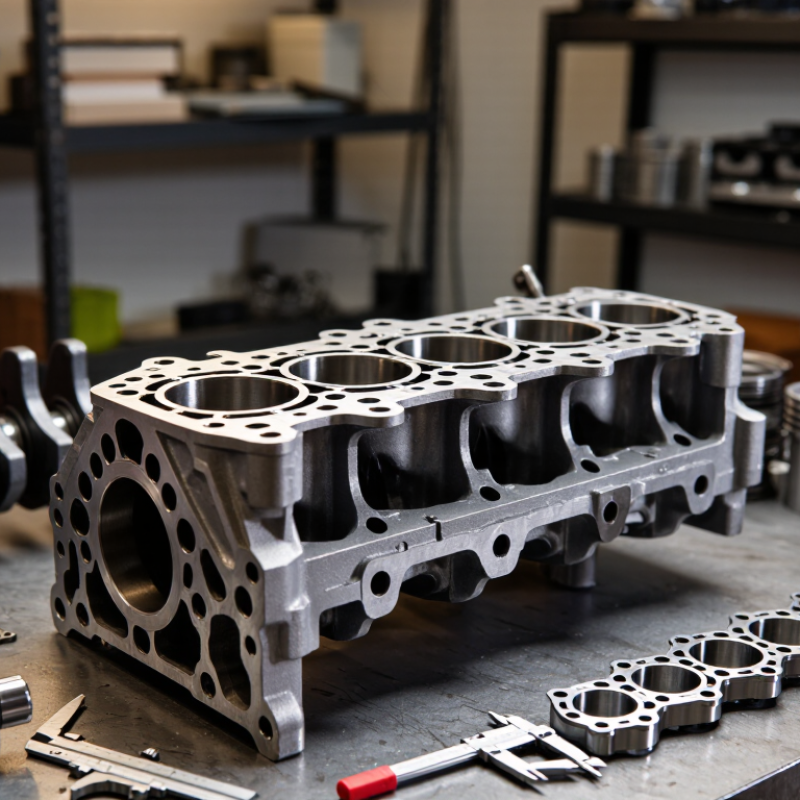
Understanding the Engine Cylinder Block and Its Function
An engine cylinder block is the main structure that holds the cylinders, crankshaft supports, and many internal passages. It must keep these parts aligned while handling combustion pressure, vibration, and heat. That is a demanding job. Coolant passages carry heat away from the cylinder walls, while oil passages help lubricate moving components. The block also provides mounting points for the cylinder head and other engine parts. Its design affects strength, cooling, serviceability, and the engine’s overall weight.
When choosing a block, consider how it will be used, not just what it is made from. A vehicle that works hard at low speeds may need different cooling and strength characteristics from a light-duty daily driver. Check that the cylinder layout, bore dimensions, and mounting points suit the intended engine assembly. Look closely at machined surfaces and oil or coolant openings. Small defects matter. A clean-looking casting can still have wear or damage that needs professional inspection. I would not judge a block by appearance alone; measurements and compatibility checks are less exciting, but they prevent expensive surprises.
Matching Block Specifications to Your Engine and Vehicle
Choosing a cylinder block starts with the engine’s exact configuration, not a guess based on appearance. Confirm the engine code, cylinder count, displacement, and model year using reliable service records. Then compare bore diameter, deck height, and main-bearing dimensions with the specifications for your engine. A block that looks nearly identical may still require costly machine work.
Measure twice. Check whether the block suits your vehicle’s transmission, mounts, cooling passages, and oiling layout. If you plan to reuse the crankshaft or cylinder head, verify their dimensions and compatibility before buying. Also consider the vehicle’s typical use: daily driving, towing, and sustained high-speed operation place different demands on materials and cooling capacity. Small details matter.
Inspect the casting for cracks, corrosion, and damaged threads, especially around coolant passages and bolt holes. Ask for measurement records when available, but treat them as a starting point; an independent machine-shop inspection can reveal wear that is hard to see. It is easy to focus on advertised displacement and overlook deck height or bearing alignment. I would not assume any replacement is a direct fit without checking the complete specification sheet. Even careful matching has limits, so confirm the final assembly dimensions with a qualified engine specialist.
Comparing Materials, Design, and Manufacturing Quality
Choosing an engine cylinder block means balancing material, geometry, and production consistency, not simply selecting the lightest option. Cast iron generally offers stiffness and wear resistance, while aluminum alloy can reduce mass and transfer heat quickly. Neither material wins in every application. Check the intended operating temperature, load, and cooling arrangement before judging suitability. Thermal expansion matters: aluminum blocks often need carefully engineered liners and clearances to manage movement.
Design details determine how well a block supports combustion loads and manages heat. A rigid deck helps maintain a stable seal around the cylinder head. Look closely at coolant passages for even coverage, without narrow areas that could restrict flow. Oil galleries should be cleanly formed and positioned to supply moving parts reliably. Details matter. I would not assume that a more complex design is automatically better; extra features can also make inspection and maintenance harder.
Good material can still disappoint if casting or machining is inconsistent. Ask for measurable inspection data, including bore diameter, deck flatness, and pressure-test results. Surface porosity, uneven wall thickness, or poorly finished passages can signal avoidable risk. Traceable process records and repeatable tolerances are more useful than polished claims. I would not treat low weight as a verdict; that shortcut is tempting, but incomplete. Published specifications rarely reveal every production variation, so compare samples and verify critical dimensions with qualified measurement equipment.
Checking Fit, Compatibility, and Installation Requirements
10 Tips for Choosing the Right Engine Cylinder Block
A cylinder block can look right and still fail to fit. Check the engine code, model year, displacement, and configuration against reliable service information. Measure the bore, deck height, and main bearing tunnel rather than relying on appearance alone. Small differences matter. Confirm that oil galleries, coolant passages, head bolt holes, and mounting points match the parts you plan to reuse. A blocked or misaligned passage can cause serious trouble after assembly. I would not treat a seller’s fitment note as a substitute for measurements.
Compatibility includes more than the block itself. Check crankshaft and bearing dimensions, piston clearance, gasket shape, and the location of sensors or mounting brackets. Before installation, inspect for cracks, corrosion, damaged threads, and signs of previous machining. Clean every passage carefully; leftover grit is easy to miss. Verify whether the block needs honing or resurfacing, and have a qualified machine shop check critical dimensions when readings are uncertain. It is tempting to rush once parts are on the bench. That is where I’d slow down. Follow the correct torque sequence and specifications, confirm clearances, and make sure the block sits squarely before completing assembly. A little doubt deserves another measurement.
Engine Block Material and Thermal Expansion
Typical linear thermal expansion coefficients help explain why material choice matters when checking clearances and installation requirements.
Values are approximate typical ranges: gray cast iron, 10–12 µm/m·°C; aluminum alloys, 21–24 µm/m·°C. Bars show each range’s midpoint. Actual values vary by alloy and temperature, so confirm the engine specification before selecting parts or setting clearances.
Assessing Durability, Maintenance, and Overall Value
A cylinder block’s value is measured over years, not just at purchase. S&P Global Mobility reported that the average U.S. light vehicle reached 12.6 years of age in 2024. That longer service life makes material quality, cooling passages, and resistance to cracking important. Inspect used blocks for corrosion around water jackets, damaged threads, and signs of overheating. Small flaws can become expensive once machining begins.
Maintenance access matters, too. Check whether the block’s design allows common repairs without extensive disassembly, and confirm that replacement parts and machining services are readily available. Ask for measurements of bore wear and deck flatness, not just a visual inspection. A clean surface proves little. Service records also help reveal repeated overheating or coolant loss. Not always.
Overall value includes purchase price, installation, machining, and likely downtime. AAA’s 2024 Your Driving Costs report estimated average new-vehicle ownership and operating costs at $12,297 per year; that figure covers the whole vehicle, not the cylinder block alone. Still, it shows why a low initial price can be a poor bargain if repairs recur. That comparison is imperfect. Choose a block with documented condition, compatible specifications, and a realistic repair plan, even if the upfront quote is higher.




