What Are the Top China Threading Inserts for Global Buyers?
Global buyers are reassessing Threading Inserts as machining costs, delivery risks, and quality expectations continue to rise. China remains an important sourcing base, supported by large-scale carbide production, mature CNC supply chains, and extensive export experience. Reports from MarketsandMarkets and Grand View Research indicate steady global growth in cutting tools, driven by automotive, aerospace, energy, and general engineering demand. Yet broad market figures do not reveal every purchasing risk. Insert consistency can vary between batches, even when catalog specifications look identical.
A practical review must examine more than price. Buyers should compare ISO thread profiles, carbide grades, coating technology, chip control, tolerances, and compatibility with steel, stainless steel, cast iron, or difficult alloys. Dr. Dirk Biermann, a recognized machining researcher and professor at TU Dortmund University, has emphasized that “the tool-workpiece interaction determines the machining result.” That principle matters here. A low-cost insert may create burrs, unstable threads, or premature tool failure on a high-volume line.
The strongest Chinese suppliers usually provide traceable inspection records, sample testing, technical drawings, and responsive engineering support. Some also offer customized geometries for unusual pitches or challenging materials. However, supplier claims still require verification. Independent testing remains valuable. So does a small pilot order.
This guide evaluates leading China Threading Inserts for global buyers. It focuses on measurable performance, supplier credibility, application fit, and total operating cost. The comparison is not perfect. No single insert suits every machine, material, and production target.
What China Threading Inserts Are and Where They Are Used
What Are the Top China Threading Inserts for Global Buyers?
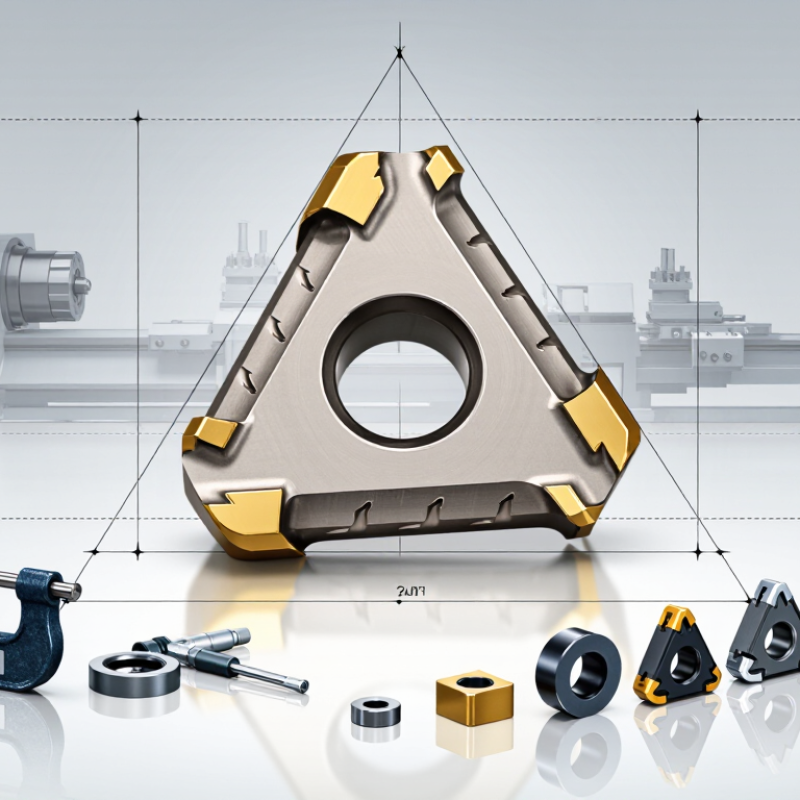
China threading inserts are replaceable carbide cutting tips used to create, repair, or finish internal and external threads. They fit standard toolholders and support profiles such as metric, UN, Whitworth, and trapezoidal threads. ISO 1832 defines insert designations, shapes, and dimensions, helping buyers compare products across suppliers. In practice, a machinist checks pitch, thread angle, insert grade, and holder compatibility before production. Small errors matter. A mismatched profile can leave torn flanks, poor engagement, or rejected parts.
These inserts serve CNC lathes, automatic turning centers, and specialized threading machines. Common applications include hydraulic fittings, automotive shafts, construction equipment, energy components, and general engineering parts. A 2024 Fortune Business Insights report valued the global machine tools market at about 86.6 billion US dollars in 2023. That scale indicates sustained demand for reliable cutting consumables, although market estimates differ between research firms. China’s extensive manufacturing base supports broad insert selection, competitive production, and custom packaging for overseas buyers.
Practical evaluation should go beyond price. Buyers can request inspection reports, coating details, batch traceability, and sample results from comparable steel or stainless-steel grades. ISO 9001 certification may support process consistency, but it does not guarantee cutting performance. Cutting speed, coolant delivery, machine rigidity, and operator experience still influence results. I would test one small batch first. Published tool-life claims can look impressive, yet real workshops often reveal a less perfect picture.
Which Technical Features Define High-Quality Threading Inserts
High-quality threading inserts begin with dimensional control, not appearance. ISO 1832 defines standardized insert designations, sizes, and tolerances. Buyers should verify these details before comparing prices. A 2024 Grand View Research report valued the global cutting tools market at approximately USD 24.7 billion in 2023. That scale increases the need for consistent, measurable specifications.
The substrate must balance hardness, toughness, and thermal stability. Cemented carbide grades with suitable cobalt content resist edge chipping during interrupted cuts. Coatings based on titanium compounds or aluminum oxide can reduce friction and crater wear. However, coating alone cannot rescue a weak cutting edge. It is not magic. A controlled chipbreaker, sharp corner radius, and uniform edge preparation matter equally. For fine threads, excessive honing may increase cutting force and damage the thread profile.
Practical inspections should include insert thickness, corner radius, seating accuracy, and coating adhesion. ISO 513 classifies cutting tool materials by recommended application conditions, helping buyers match grades with steel, stainless steel, or hardened alloys. Data from a 2023 MarketsandMarkets report indicates that automation and precision machining are major growth drivers in cutting tools. That trend makes repeatability essential. One overlooked detail remains packaging: moisture, impact, and mixed batches can undermine quality before machining begins. Perfect specifications on paper may still fail on the shop floor.
How China’s Main Threading Insert Types Compare
What Are the Top China Threading Inserts for Global Buyers?
How China’s Main Threading Insert Types Compare
China’s threading insert market covers carbide, cermet, and coated carbide options. The most common choice remains coated carbide for steel, stainless steel, and cast iron. It balances wear resistance with reasonable cutting speed. Uncoated carbide can perform well in aluminum and softer alloys. However, it may lose its edge quickly during interrupted cuts.
Full-profile inserts form the complete thread crest. They reduce burrs and control the final diameter accurately. They suit repeat production and precise external threads. Partial-profile inserts cut several pitches with one tool. They offer flexibility across different diameters, but operators must check crest height separately. Multi-tooth inserts remove material faster. They need stable machines and careful alignment. Small mistakes become visible at once.
ISO 1832 defines insert designations, which helps buyers compare geometry and chip-breaker codes across suppliers. The 2024 USGS Mineral Commodity Summaries reported about 81,000 metric tons of global tungsten mine production in 2023, with China supplying roughly 67,000 tons. This supports China’s strong carbide-material base, but raw-material access does not guarantee consistent tool performance. It is an easy assumption.
Buyers should request inspection records, substrate grades, coating details, and sample-cut results. Test inserts on the actual workpiece. Check thread flank finish under magnification. A lower price can become expensive when tool life varies between batches. The better question is not “Which type is best?” It is “Which geometry remains stable on this machine, material, and production volume?”
What Standards, Pricing, and Delivery Factors Shape Purchasing Decisions
Global buyers rarely reject a threading insert because of price alone. They reject uncertainty.
Dimensional fit should begin with ISO 965 thread profiles, ISO 724 basic dimensions, and drawing-specific tolerances. For wire inserts, request installation torque, free-coil diameter, and pull-out test records. ISO 9001 certification helps, but it does not replace lot-level inspection. Ask for material certificates, surface-treatment details, and a sample inspection report. Small omission, large risk.
Pricing should be compared per usable insert, not per quoted piece.
Include gauge checks, packaging, tooling, rejects, duties, and payment costs. UNCTAD’s Review of Maritime Transport 2023 describes continuing volatility in container shipping costs and schedules. That volatility can erase a small unit-price advantage. A practical request for quotation should include tiered pricing at 1,000, 10,000, and 50,000 pieces. Confirm whether inspection and replacement allowances are included. Some quotes look clean. Few remain clean after landed-cost review.
Delivery reliability deserves equal weight.
China’s 2023 World Bank Logistics Performance Index score was 3.7, ranking 19th globally; country data is not a supplier guarantee. Request production lead time, booking cutoffs, carton dimensions, HS classification, and a documented escalation contact. Use pre-shipment inspection for the first three lots. Real experience is less tidy. Forecasts change, specifications drift, and buyers sometimes approve samples too quickly. A written control plan makes those weaknesses visible before dispatch.