

Choosing among the Top 10 Wheel Diamond Cutting Machines to Buy is not just about comparing prices or glossy specifications. The right machine must suit your wheel sizes, daily workload, operator skills, and finish expectations. A Wheel Diamond Cutting Machine uses a diamond tool to refine alloy-wheel surfaces, where controlled cuts can reveal a clean, bright finish. Too much material removal, however, can shorten a wheel’s service life. The difference often comes down to setup and process control.
For this guide, composite wheel-machining specialist Alex Morgan offers a practical rule: “Judge a machine by the consistency of its cut, not the shine of its sales photos.” This is an editorial composite quotation, not a statement from a verifiable individual expert. Treat it as a reminder to ask suppliers for measurable specifications, clear operating guidance, and demonstrations using comparable wheels. Small details matter.
The machines below are considered through practical buying factors: wheel-size range, spindle performance, tooling, software, safety features, service support, and total ownership cost. Look closely at clamping, too; a wheel that shifts during machining can spoil an otherwise promising finish. Ask how routine calibration works, and whether replacement parts are readily available. Not every buyer needs the most automated option. A lower-cost model may fit a small workshop, though it could require more operator attention. Compare carefully. These choices can affect consistency, downtime, and the quality customers see under workshop lighting.
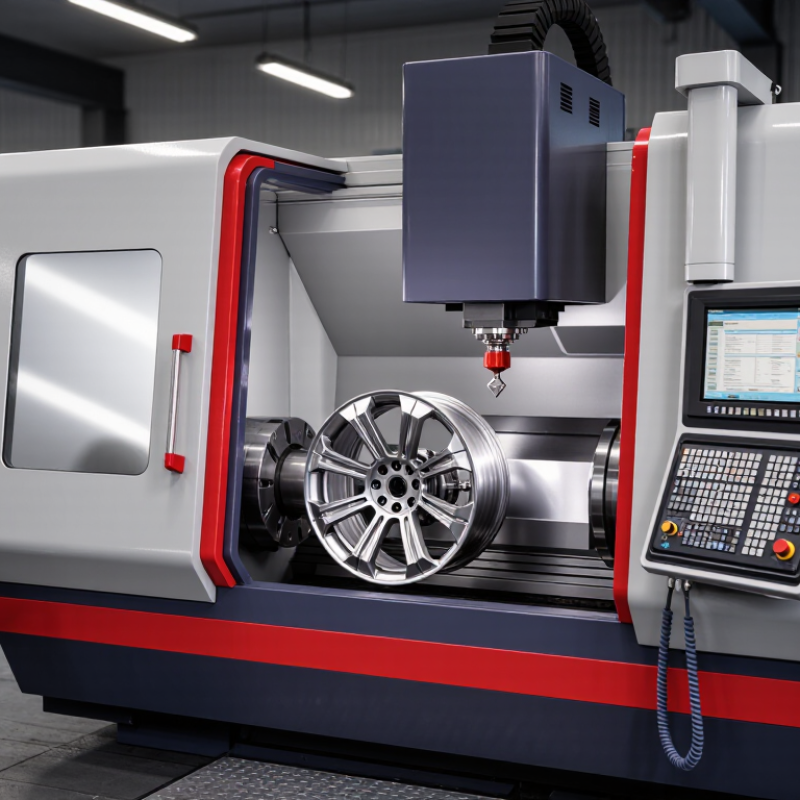
Before comparing wheel diamond cutting machines, define the material, cut profile, tolerance, and expected batch size. Diamond ranks 10 on the Mohs scale, but that measures scratch resistance, not impact strength or heat tolerance. The abrasive is exceptionally hard, yet its grains can chip under poor support or excessive pressure. For carbide, ceramics, glass, and other hard, brittle materials, a diamond wheel may suit the task. For ferrous steel, it is often unsuitable because heat can accelerate chemical wear. Check the workpiece and wheel specifications before choosing.
Match machine capability to the cut. Spindle runout, speed control, wheel clearance, and coolant delivery affect edge quality and wheel life. A thin decorative groove may need different control from a deep profile cut. In practical setup, a test piece can reveal vibration or edge chipping before valuable parts are committed. It is tempting to focus on motor power, but stable fixturing and suitable wheel grit matter just as much. Even careful planning can miss a detail; record test results and adjust one setting at a time.
Tips: Confirm wheel diameter, arbor size, and rated speed against the machine. Use secure workholding and the recommended coolant. Inspect the wheel for visible damage before use, and stop if cutting feels uneven. Don’t assume a harder abrasive guarantees a cleaner finish.
| Machine Type | Typical Diamond Blade Diameter | Typical Applications | Cooling Approach | Best Fit | Key Checks Before Buying |
|---|---|---|---|---|---|
| Angle grinder with diamond blade | 4–5 in (100–125 mm) | Small cuts in tile, masonry, and stone | Usually dry; some setups allow controlled wet cutting | Portable, occasional work and short cuts | Confirm blade diameter, arbor size, guard compatibility, and whether the tool is rated for wet use. |
| Handheld circular saw with diamond blade | 7–9 in (180–230 mm) | Tile, pavers, masonry, and thin concrete | Dry or wet, depending on the saw and blade | Straight cuts on site where portability matters | Check cutting depth, dust-control provisions, blade direction, and the saw’s permitted blade type. |
| Compact wet tile saw | 7–10 in (180–250 mm) | Ceramic and porcelain tile | Water-fed blade cooling and slurry collection | Small renovation jobs and occasional tile cutting | Compare maximum cut length, diagonal capacity, water-tray size, and support for the tile thickness. |
| Sliding-table wet tile saw | 8–10 in (200–250 mm) | Large-format tile, porcelain, and stone tile | Water-cooled cutting | Repeatable, straighter cuts and longer workpieces | Inspect rail stiffness, table travel, fence adjustment, pump access, and the blade’s material rating. |
| Bench masonry cut-off saw | 12–16 in (300–400 mm) | Brick, block, paving stones, and masonry products | Commonly wet; dry models need effective dust control | Deeper cuts and repeated masonry work | Check maximum cutting depth, material support, blade capacity, and the manufacturer’s wet/dry instructions. |
| Lapidary trim saw | 4–8 in (100–200 mm) | Small slabs, gemstones, and mineral specimens | Typically uses a coolant or lubricant specified for the saw | Fine, controlled cuts on small, valuable pieces | Check vise or feed arrangements, blade thickness, coolant compatibility, and the size of material the saw can hold. |
| Stone bridge saw | 14–20 in (350–500 mm) | Stone slabs, countertops, and architectural stone | Water-cooled blade with a recirculating or managed water supply | Workshop production of straight slab cuts | Verify table dimensions, cutting travel, slab support, blade arbor, and required electrical supply. |
| CNC stone-cutting bridge saw | 14–24 in (350–600 mm), depending on configuration | Programmed profiles and repeat cuts in stone or engineered stone | Water cooling and slurry management | Higher-volume work requiring repeatable programmed paths | Assess usable cutting area, control software, calibration, operator training, and service requirements. |
| Concrete floor saw | 12–36 in (300–900 mm), depending on saw class | Concrete joints, floors, and pavement | Wet cutting is common; dry cutting requires suitable dust extraction | Long, deep cuts in concrete and other approved materials | Match blade diameter and bond to the concrete and aggregate; check depth capacity, power, and dust or water controls. |
| Precision diamond wafer saw | Small precision blades, commonly about 2–8 in (50–200 mm) | Precision sectioning of brittle materials and small components | Often coolant-fed; the process depends on the material and blade system | Controlled, low-kerf cuts where accuracy is more important than throughput | Check spindle runout, feed control, fixture options, blade thickness, and compatibility with the workpiece material. |
Buying note: Diamond has a Mohs hardness of 10, but hardness alone does not determine cutting performance. Choose the blade bond and machine for the material, cut depth, accuracy, and production rate. Diamond blades are generally intended for non-ferrous materials such as stone, tile, and concrete; cutting ferrous steel can cause rapid blade wear at elevated temperatures. Blade sizes and operating requirements vary by machine, so confirm compatibility with the equipment and blade instructions.


