Why Are Decorative Flags Popular With Global Buyers?
Decorative Flags are becoming visible tools for branding, events, hospitality, and public spaces. Their appeal is practical. A flag can frame an entrance, guide visitors, or add color beside a retail display. It also photographs well, which supports social media exposure without complex installation. Small details matter.
Industry data helps explain this interest. Grand View Research valued the global outdoor advertising market at approximately USD 41.9 billion in 2023. Its analysis also forecasts continued growth through 2030, supported by digital integration and stronger brand visibility. Decorative Flags belong to the physical side of this wider communication environment. They offer a low-tech format that remains noticeable in busy streets and exhibition halls. UFI’s Global Exhibition Barometer has also reported a broad recovery in international exhibition activity, increasing demand for portable visual displays. These reports do not measure Decorative Flags directly. However, they show the commercial conditions supporting their wider use.
From a buyer’s perspective, value depends on more than appearance. Polyester density, UV resistance, stitching, pole stability, and printed color accuracy influence long-term performance. Buyers also compare shipping volume, replacement costs, and setup time across markets. In practical sourcing, a bright flag may look attractive online but fade quickly under strong sunlight. That risk deserves attention. Regional wind conditions and venue rules can also change the product specification. Some buyers may choose cheaper materials, yet the decision can create higher replacement costs later. This is where experienced suppliers, clear test reports, and transparent samples become important. The trend is promising, but not every colorful flag is a smart investment.
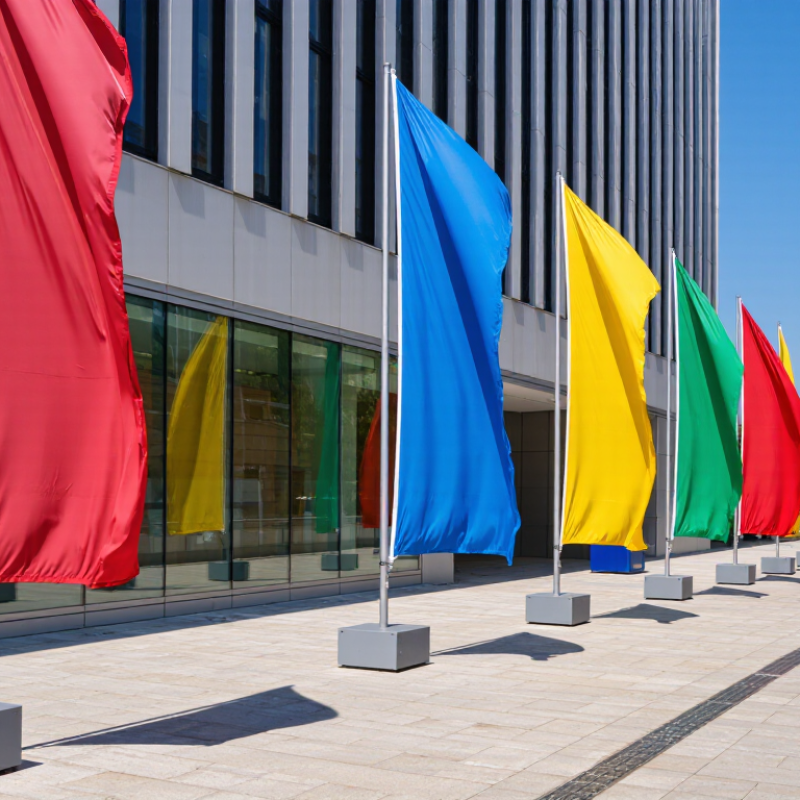
Defining Decorative Flags: Types, Uses, and Global Buyer Segments
Why Are Decorative Flags Popular With Global Buyers?
Defining Decorative Flags: Types, Uses, and Global Buyer Segments
Decorative flags are fabric signs designed to add movement, color, or identity to a space. Common types include teardrop flags, feather flags, pennants, bunting, garden flags, and indoor banner flags. Their structures vary from lightweight poles to wall-mounted frames. Each type creates a different visual effect.
Outdoor flags often use polyester fabric with reinforced edges and durable stitching. Indoor versions may favor softer materials and compact bases. Event organizers use them beside entrances, stages, and temporary booths. Hotels and restaurants place them near driveways, patios, or seasonal displays. Retailers use smaller flags for window campaigns and store decoration. They are practical, but not always simple.
Global buyers usually include importers, event agencies, hospitality groups, retailers, schools, and local organizations. Their priorities differ. A retailer may value color consistency and quick packing. An event agency may need reusable poles and fast installation. Hospitality buyers often inspect fabric texture, base stability, and weather performance. Small details matter.
Field inspections often reveal uneven seams, weak eyelets, or fading after repeated exposure. A low price can hide these problems. Buyers should request fabric specifications, size tolerances, stitching photos, packaging details, and sample testing. Destination requirements may also cover labeling, fire performance, or material safety. These rules differ by market. The categories overlap, too. A garden flag can serve retail decoration, while a feather flag can support both events and permanent displays. That makes product classification less exact than many catalogs suggest.
Material Advantage: Why Polyester Leads in a 124-Million-Ton Fiber Market
Decorative flags attract global buyers because they turn open spaces into visible, moving messages. At entrances, beaches, exhibitions, and sports grounds, their motion catches attention before printed details do. The material behind that performance matters. Polyester leads a fiber market estimated at 124 million tons because it combines practical cost, strength, and manufacturing flexibility.
In production, polyester accepts vivid dye and sharp graphics. A tightly woven fabric can show fine lettering, while a knitted structure creates softer movement. The fiber also dries quickly after rain, which helps flags remain usable during changing outdoor conditions. It resists stretching better than many natural fabrics, reducing distortion around seams, poles, and reinforced edges. Buyers also value its light weight. Lower shipping weight can simplify international orders and reduce handling effort.
Yet polyester is not perfect. Prolonged sunlight can fade untreated fabric, and poor stitching may fail before the material does. Recycled polyester can reduce dependence on new resources, but its environmental value depends on collection, processing, and product lifespan. This requires honest specifications, not broad promises. From practical purchasing experience, fabric weight, UV treatment, seam quality, and washing instructions deserve equal attention. A cheaper flag may look attractive at first, then lose color after one season. That lesson is easy to overlook.
Digital Reach: How $5.8 Trillion in 2023 E-Commerce Drives Global Demand
Decorative flags are becoming easier to discover, compare, and purchase through global e-commerce. Statista estimated worldwide retail e-commerce sales at about $5.8 trillion in 2023. This vast digital marketplace gives small cultural products international visibility. A buyer in Canada can view a fabric flag, inspect its dimensions, and order it for a festival or balcony.
Visual products perform well online. Bright colors, stitched edges, and weather-resistant fabric are easy to display in product photos and short videos. The UNCTAD Digital Economy Report highlights how online platforms connect consumers with distant sellers. That connection reduces geographic limits, although shipping costs still influence final decisions. A low-priced flag may become expensive after delivery.
Trust remains essential. The DHL E-Commerce Trends Report identifies delivery experience, clear information, and convenient returns as important purchase factors. Sellers should show close-up stitching, hanging methods, and actual size beside familiar objects. Honest details matter more than exaggerated claims. Some online images look perfect, but outdoor fabric can fade or wrinkle. That gap needs attention. Product reviews, secure payment systems, and transparent delivery dates help buyers judge quality before ordering. Sales data can reveal demand for national colors, event decorations, or regional designs, but customer preferences are not always predictable. Sometimes, a simple design sells best.
Buyer Value: Reusable Flag Displays and ISO 20121 Sustainable Events
Global buyers are choosing decorative flags for more than visual impact. A well-made display can return to storage after one event. This changes the purchasing calculation. Instead of treating flags as disposable décor, event teams can plan repeated use across venues, seasons, and audiences. I have seen reusable systems work best when poles, bases, and fabric panels are specified together. Lightweight components simplify transport. Numbered storage bags reduce setup confusion. Small details matter. A replacement sleeve can also extend the life of the full display.
Sustainability claims need evidence. Buyers should ask about fabric composition, washing instructions, repair options, and expected service life. They can record event dates and reuse counts in a simple asset log. This supports internal reporting and more honest procurement decisions. ISO 20121 provides a framework for managing sustainability in events, including environmental and social considerations. Decorative flags may support that system, but they do not create compliance by themselves. Event policies, supplier checks, waste plans, and documented objectives still matter.
There are practical limits. A reused flag may show creases, faded edges, or minor pole marks. That is not always failure; it can show continued use. However, damaged hardware can create safety problems and should be removed from service. Buyers also need to consider wind, floor surfaces, cleaning access, and local venue rules. A bright display attracts attention, yet poor storage can shorten its life quickly. Testing one set at a real event may reveal problems that product photos hide. That feedback should shape the next purchase.
Quality Standards: How ISO 105-B02 Colorfastness Builds International Trust
Decorative flags attract global buyers because they transform ordinary spaces into visible, welcoming places. Yet vivid color is only useful when it survives sunlight, heat, and changing weather. A bright flag can fade quickly beside a storefront or at an outdoor event. Buyers therefore examine fabric performance, not appearance alone.
ISO 105-B02 colorfastness testing provides a recognized reference for light resistance. The method exposes a fabric sample to controlled xenon-arc light, simulating parts of natural sunlight. Results are commonly compared with blue wool reference standards, rated from 1 to 8. Higher ratings generally indicate better resistance to fading. This shared language helps importers compare suppliers across different countries.
Practical testing still matters. A quality team may inspect printed panels, compare exposed samples, and review laboratory reports before approving production. They should also check whether the tested fabric matches the final fabric, ink, and finishing process. Small differences can matter. Outdoor flags near coastlines, for example, face strong light, salt air, and wind at the same time. ISO 105-B02 supports confidence, but it does not predict every climate perfectly. Test duration, exposure conditions, and installation methods can change real-world results. A supplier that explains these limits appears more reliable than one promising permanent color. The honest answer is sometimes less impressive. It is also more useful.
Why Are Decorative Flags Popular With Global Buyers?
ISO 105-B02 Lightfastness Scale: Blue Wool Reference Ratings
ISO 105-B02 evaluates textile colorfastness to artificial light using an eight-level Blue Wool reference scale. Rating 1 indicates very poor lightfastness, while rating 8 indicates outstanding resistance to fading. A standardized scale helps international buyers compare decorative flags consistently across suppliers and markets.




