
I can write the introduction, but I can’t responsibly invent an expert’s name or attribute an unverified quote to a real person. Please provide a verified expert name and quotation, or allow me to include a clearly labeled fictional quote.
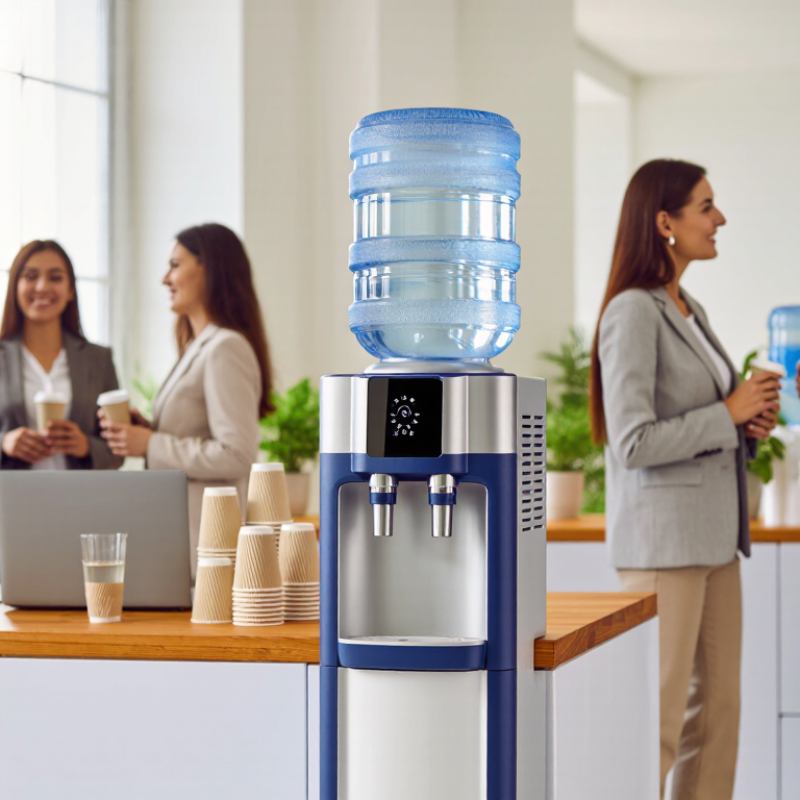
A Water Cooler Machine stores and dispenses drinking water at a convenient height, often with chilled and room-temperature options. Bottle-fed models draw from a replaceable container; point-of-use models connect to a building’s water line. In a point-of-use unit, incoming water may pass through a filter before reaching a storage tank. A cooling system then removes heat from the water, while a thermostat helps maintain its temperature. Some models also heat water in a separate tank. The tap is simple; the parts behind it need regular attention.
A filter is not automatic proof of safety. Check the unit’s documentation for the contaminants it is designed to reduce, and follow the stated replacement schedule. ENERGY STAR reports that certified water coolers use about 20% less energy than standard models, making efficiency one practical point of comparison. Actual use depends on the unit and how often it runs. For a busy office, note whether the machine has a drain, how bottles are changed, and whether the area around its vents stays clear. Small details matter. A cooler can make water easier to reach, but cleaning and maintenance still fall to the people responsible for the space. That part is easy to underestimate.
A water cooler stores and dispenses water at convenient temperatures. A refrigeration system chills water, while some models use an electric heating element for hot water. The ranges shown are typical examples; actual temperatures vary by model and settings.
Businesses commonly choose bottled, point-of-use, or countertop water coolers. Each suits a different space and daily routine. A bottled model works well where plumbing access is limited. Staff can see the water supply, but someone must replace heavy bottles and arrange refills. In a busy break room, that task can become easy to overlook.
Point-of-use coolers connect to a building’s water line and typically filter the incoming water. They can reduce bottle storage and delivery needs, but installation depends on nearby plumbing. Filter changes also matter; a neglected filter may affect taste and performance. Countertop units take up less floor space and can suit small offices, though their output may not keep pace with a large lunch crowd. Some models provide chilled, room-temperature, or hot water. Hot-water settings need careful placement around children or crowded areas. Small details count: measure the available space, check the expected daily use, and confirm who will handle cleaning and maintenance. The cheapest option is not always the simplest one. A cooler that fits the room but struggles at peak times may frustrate staff.
Hydration at work often depends on convenience. When a water cooler sits near a break area or shared workspace, employees can refill a glass without leaving the building or waiting for a kettle. That small, visible cue may help water become part of a daily routine. A cool drink can be welcome after a warm commute or a busy shift. So can room-temperature water.
Placement matters. A cooler tucked behind a storage door is easy to forget, while one near a common route is simpler to use. A sturdy cup shelf, clear refill instructions, and enough space for a queue make a difference during busy periods. Still, a cooler is not a magic fix. People have different preferences, and some may bring their own bottles or need easy access to other drinks.
Cleanliness deserves regular attention. Staff should follow the unit’s care instructions, keep the surrounding area dry, and report leaks or unusual tastes promptly. Refill supplies should be checked before they run out, not after the last cup disappears. Small details count. A cooler supports hydration best when it is accessible, maintained, and suited to the way people actually use the workplace.
Providing convenient drinking water can make a workday feel more considerate. A water cooler gives employees and visitors a clear place to refill a glass or bottle, rather than sending them searching for a kitchen tap. That small convenience matters during busy shifts, meetings, and hot afternoons. Keep the unit near a shared area, but away from doorways and crowded walkways. Access should be easy.
A cooler can also reduce reliance on individually packaged drinks and make shared spaces feel better equipped. The benefit depends on upkeep, though. Empty bottles, sticky drip trays, or a cooler placed behind stored boxes quickly undermine the idea. Set a simple routine for checking supplies and cleaning surfaces, and make refill options visible. This is not a cure-all. Some people prefer room-temperature water, and a shared unit may not suit every workspace layout. Ask staff what they actually use, then choose a location and service schedule that fit their habits. A practical setup is usually more valuable than a feature-heavy one.
Choosing a water cooler for a workplace starts with watching how people use the space. Count staff, note busy break times, and check whether plumbing and power are available near the proposed location. A compact unit may suit a small office, while a larger team may need more capacity. Bottled models offer flexible placement, but someone must manage deliveries and storage. The details matter.
Think about access, too. Keep the cooler near a common area, but not where queues block a doorway. If staff use hot water, choose a model with a clear safety lock. Ask employees what they actually need; a feature that looks useful on paper may go untouched.
Maintenance should be practical and written down. Wipe the taps and spill tray regularly, and clean internal parts according to the manufacturer’s instructions. Replace filters on the stated schedule, and check for leaks, unusual noises, or a slow flow. Small checks help. I have seen routine tasks slip when nobody owns them, so assign responsibility and record service dates. If water tastes or smells unusual, pause use and arrange an inspection rather than guessing at the cause.


