
Welcome to Worldia, we have over 25 years of expertise.

Why Choose The Club Steering Lock for Your Vehicle?

A parked car can appear secure, yet a few visible details may influence how attractive it looks to a passing thief. The Club Steering Lock adds a physical barrier across the steering wheel and is easy to notice through the window. Its bright finish can make the vehicle look less convenient to target. That is a deterrent, not a guarantee. No steering lock can promise that a vehicle will never be stolen.

For owners comparing practical security options, The Club Steering Lock offers a straightforward routine: fit it to the steering wheel, lock it in place, and check that it is secure before leaving. A clear click is reassuring, but take a moment to confirm the bar is firmly attached. Small habits matter. Fit varies by vehicle and steering wheel, so check the manufacturer’s compatibility guidance before buying. Avoid forcing the device into place or letting it press against delicate trim. It should not interfere with driving controls when removed.

A steering lock works best as one layer of care, alongside sensible parking choices and keeping valuables out of sight. It may add a visible obstacle, but it cannot replace careful vehicle maintenance or other appropriate security measures. There is a trade-off: remembering to fit it takes a little time, and carrying it can feel inconvenient. That is worth considering honestly. For drivers who want a simple, visible extra step, it can be a practical choice—provided it fits their vehicle and they use it consistently.
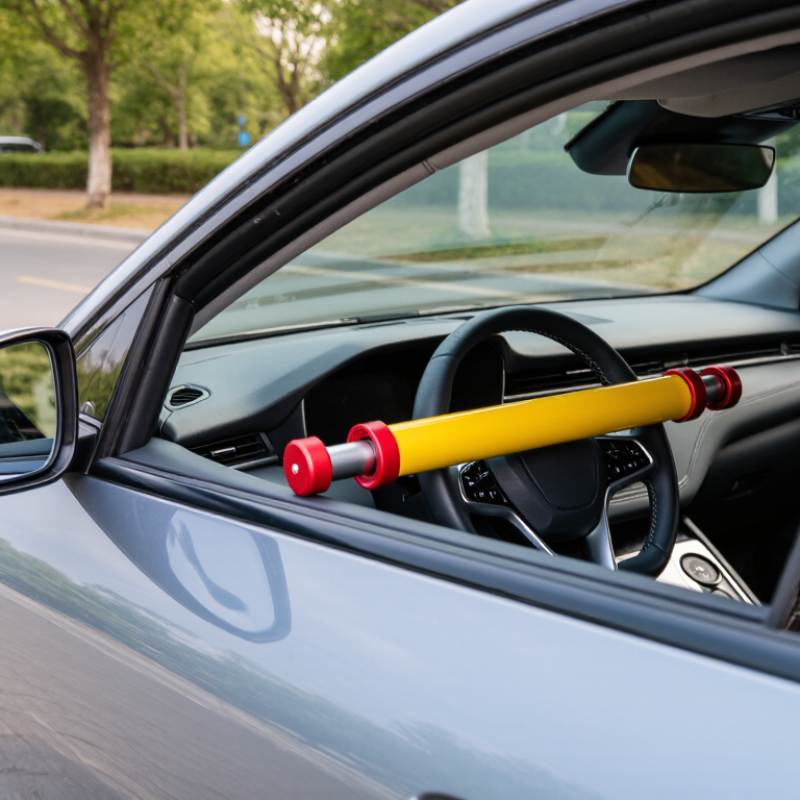
Why Choose The Club Steering Lock for Your Vehicle?

Vehicle Theft Context: NICB Recorded 1,020,729 U.S. Thefts in 2023

NICB recorded 1,020,729 vehicle thefts in the United States in 2023. That figure is sobering. It describes a nationwide total, not the chance that any one vehicle will be stolen. Still, it shows why practical layers of prevention matter. A steering-wheel lock adds a visible obstacle inside the cabin. Its bright metal bar can be noticed through the window before someone tries the door. That visibility may encourage a thief to move on, though no single device can guarantee a vehicle’s safety.

A lock is most useful when it fits securely and becomes part of a routine. Park, position the device across the steering wheel, and check that it cannot slide free. Store the key where it is easy to find, but not in plain view inside the car. There is a trade-off: fitting and removing the lock takes a little time, especially in rain or low light. It can feel like an extra chore. That is worth considering honestly. Pairing the lock with sensible habits, such as locking doors and choosing a well-lit parking spot, creates a more thoughtful approach than relying on one deterrent alone.

The Club Explained: A Keyed, Visible Steering-Wheel Lock

Why Choose a Keyed, Visible Steering-Wheel Lock?

A keyed, visible steering-wheel lock is a simple physical barrier. It fits across the steering wheel and secures with a key. When installed, its crossbar is easy to spot through the window. That visibility may discourage opportunistic theft, while the locked bar makes steering more difficult. It is not a guarantee.

The National Insurance Crime Bureau recorded 1,020,729 vehicle thefts in the United States in 2023. That was about 1% more than in 2022. Those figures show the scale of vehicle theft, not the effectiveness of any individual lock.

Fit matters. Choose a model compatible with your steering wheel, follow its instructions, and check that it sits firmly without damaging the wheel’s surface. Keep the key somewhere you can reach before securing the device. Remove the lock before driving.

The routine can feel a little awkward on a rushed morning; that is worth considering. A visible lock works best as one layer alongside sensible parking and other security measures. No device can promise complete protection.

How It Works: Restricting Steering-Wheel Movement

A steering-wheel lock works by clamping across the wheel and creating a rigid bar that limits how far it can turn. If someone tries to steer, the bar may meet the dashboard or another part of the cabin. That visible obstruction can add effort and make a quick getaway harder. The exact contact point depends on the vehicle and lock fit. Check that the device does not press against an airbag cover or block essential controls.

The risk is real, but a lock is not a guarantee. The National Insurance Crime Bureau reported 1,020,729 vehicle thefts in the United States in 2023, in its Hot Spots report. That figure describes reported thefts; it does not measure how well steering locks prevent them. A steering lock is a physical deterrent, not an electronic immobilizer. It may slow an attempt, while leaving other parts of the vehicle untouched. Small but useful. Use it as one layer alongside sensible parking habits, and inspect its fit periodically. Even a sturdy bar can be poorly positioned. That deserves a second look.

Benefits and Limits: A Deterrent, Not a Substitute for Layered Security

A steering wheel lock can make a vehicle look less convenient to target. Its bright bar across the wheel is easy to notice through the glass, and fitting it adds a visible step before the car can be driven. That can encourage an opportunistic thief to move on. It is a deterrent, not a guarantee.

Fit matters. A lock that is loose, poorly positioned, or difficult to secure may offer less practical resistance. Check that it sits firmly and does not interfere with the driver’s view or controls. Keep its key separate from the vehicle key, and store the lock where it is easy to reach. Small habits count.

It has limits. A determined thief may use other methods, and a steering lock cannot stop a vehicle from being moved by towing. Pair it with working door locks, an alarm or immobilizer, and sensible parking in a well-lit area. Remove valuables from view, too. I would not rely on one device alone; it is easy to feel safer than the setup really is. A layered approach reduces reliance on any single measure, while no arrangement can promise complete protection.

Why Choose a Steering Wheel Lock? Benefits and Limits

A visible steering wheel lock can deter opportunistic theft and physically restrict steering. It does not immobilize the engine, sound an alarm, or help locate a stolen vehicle—so it works best as one layer of security.

Capability map: 1 means the device directly addresses that function; 0 means it does not. This is not a measurement of theft reduction or effectiveness. Actual features vary by device and vehicle.

Choosing and Using The Club: Fit, Locking, and Safe Storage

A steering-wheel lock only helps when it fits securely and is used consistently. Before buying one, check your steering wheel’s diameter and rim thickness against the product’s stated range. Also consider the wheel’s shape and any large controls that could obstruct the locking bar. A loose fit may let the device shift, while forcing a bar into place can damage trim. Check the vehicle manual if you are unsure about clearance near the horn or airbag cover.

Test the lock while parked. Position its hooks as directed, extend the bar, and confirm it cannot slide off with a gentle pull. Keep fingers clear of moving joints. It should feel firm, not strained. If the key sticks or the lock does not engage smoothly, stop and check the alignment rather than forcing it.

A visible lock can discourage opportunistic tampering, but it cannot guarantee protection; combine it with sensible parking and normal vehicle security.

When removed, store it in a secured trunk or a stable compartment where it cannot roll into pedals or become a projectile during sudden braking. Avoid leaving it loose on a seat. That small habit is easy to overlook. After a few days, check whether the routine still feels practical; if not, adjust where you store it.

Hi! What is your idea today?
WORLDIA 8618618272087
Nina +86 15631662072
google-site-verification=0STkOZEvYuoDp-D40AVfMUk--CzM2AsZv24S6ISPdmk