Welcome to Worldia, we have over 25 years of expertise.

Who Is the Best PCD Inserts Manufacturer in China?

Choosing the best PCD Inserts manufacturer in China takes more than comparing prices or polished product photos. Buyers need evidence of consistent quality, suitable grades, dependable delivery, and technical support that continues after an order ships. A cutter may look perfect on a catalog page, yet fail early when its geometry does not match the workpiece or machining conditions.

PCD Inserts are used for demanding applications, including machining aluminum alloys, composites, and other abrasive materials. Small details matter. Check edge preparation, dimensional tolerances, brazing quality, and whether the supplier can explain its inspection process. Ask for sample parts, relevant test data, and references for applications close to yours. A careful manufacturer should discuss trade-offs plainly, not promise one insert will solve every cutting problem.

A named expert quotation needs a verifiable source. None was provided with the request, so I will not invent a person or attribute an unsupported statement. That caution reflects the same standard buyers should apply to supplier claims. This guide compares manufacturers through practical criteria: production capability, material traceability, customization, quality controls, communication, and total cost over the tool’s working life. There is no perfect checklist. Some details still require direct testing. The goal is a better-informed shortlist, not an effortless verdict.
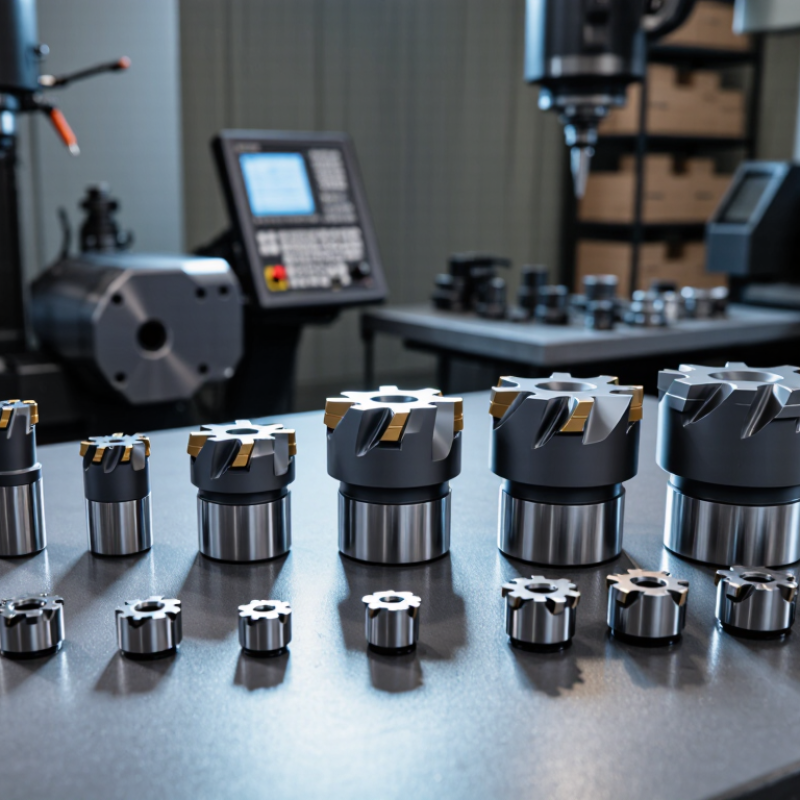
Who Is the Best PCD Inserts Manufacturer in China?

What PCD Inserts Are and How They Are Made

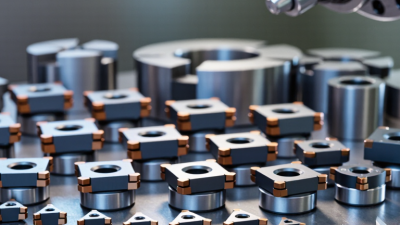
PCD inserts are cutting tools made from polycrystalline diamond bonded to a carbide base. The diamond layer contains many tiny crystals joined under high pressure and high temperature. This structure gives the cutting edge strong wear resistance while the carbide supports the insert.

The process starts with selected diamond powder and a carbide substrate. Under controlled heat and pressure, the diamond particles bond into a compact layer, often with a metal catalyst helping the process. The resulting blank is then cut and ground into an insert. Edge shape matters. Small changes to the rake angle, corner radius, or edge preparation can affect cutting forces and surface finish. PCD is commonly used for non-ferrous metals, composites, and graphite, but the right grade depends on the workpiece and machining conditions.

A polished insert alone proves little. Buyers should ask how the maker controls layer thickness, edge geometry, and inspection between production steps. They can also request test data for the intended material and operation. Details vary. A tool that performs well on aluminum may not suit abrasive composites, and test results may not transfer directly between machines. I would compare actual machining results, not just catalogue claims.

Key Criteria for Evaluating PCD Insert Manufacturers in China

Who Is the Best PCD Inserts Manufacturer in China?
Key Criteria for Evaluating PCD Insert Manufacturers in China

Choosing a PCD insert manufacturer takes more than comparing prices. Check whether the supplier can explain how its diamond grade, edge geometry, and substrate suit your material and cutting conditions. Ask for inspection records covering insert dimensions, edge quality, and batch consistency. Useful evidence may include measurement reports and results from controlled cutting trials. Details matter. A polished sample alone cannot show how an entire production batch will perform.

Assess technical support before placing a large order. Share your workpiece material, machine setup, cutting speed, and finish requirements, then review whether the proposed insert specifications address them clearly. Request a small trial batch and record tool life, surface finish, and edge wear under repeatable conditions. Clear communication counts. So does traceability from raw materials to finished inserts. Be candid about what you do not know; even a detailed specification may miss a real shop-floor problem. No supplier is perfect, and an overly confident promise deserves careful questions. Compare documented performance, response time, and corrective-action processes rather than relying on claims of being the best.

Who Is the Best PCD Inserts Manufacturer in China?

Key criteria for evaluating PCD insert manufacturers in China

Suggested evaluation weights for comparing manufacturers: prioritize product quality and application fit, then review process consistency, technical support, and delivery reliability. These weights are a practical buyer’s framework, not results from a market survey or ratings of specific companies. Ask suppliers for documented evidence against each criterion.

How Chinese Manufacturers Compare in Quality and Capability

Comparing Chinese PCD insert manufacturers takes more than browsing product catalogs. Ask how each controls diamond-grain distribution, bonding to the carbide substrate, and cutting-edge geometry. These factors influence wear, chipping, and consistency when machining aluminum or other non-ferrous materials. Request sample inspection records, including edge images and dimensional checks. Small variations matter.

Manufacturing capability shows in the details. Can the supplier make custom chipbreakers, maintain repeatable tolerances, and trace batches to production records? Ask how samples are tested and whether the team can discuss tool performance using your workpiece material, machine, and cutting conditions. Clear answers are useful. Vague assurances are not. A well-finished insert can still disappoint if its geometry does not suit the actual operation.

Price and delivery time deserve attention, but neither proves quality. Compare samples under the same machining conditions, noting tool life, surface finish, and edge damage. It is tempting to treat one successful trial as proof; it is not. Results can shift with setup and material variation. I would also ask how the manufacturer handles a batch that misses its agreed specifications. The response may reveal more than a glossy brochure.

Industries and Applications Served by PCD Inserts

PCD inserts serve industries that need fast, consistent machining of abrasive, non-ferrous materials. In automotive plants, they cut aluminum engine housings, transmission cases, and electric-motor components. The International Energy Agency’s Global EV Outlook 2024 reports nearly 14 million electric cars were sold in 2023, about 18% of global car sales. This shift increases demand for lightweight aluminum parts, though it does not mean every component requires PCD tooling.

Aerospace shops use PCD inserts on aluminum structures and composite materials, while electronics manufacturers machine copper heat sinks and graphite components. Woodworking operations also use PCD tooling for particleboard and fiberboard, where abrasive particles can wear conventional edges quickly. On the shop floor, tool choice depends on material composition, interrupted cuts, machine rigidity, and the required finish. Small changes in silicon content can affect aluminum’s abrasiveness. That detail matters.

PCD is not a universal solution. It is generally unsuitable for machining ferrous metals at typical cutting temperatures, and a poorly selected edge geometry can cause chipping. Buyers should compare tool life under their actual feed rates and coolant conditions, not rely only on catalog claims. A useful supplier discussion includes sample workpieces, measured surface finish, and documented insert life. Real trials often reveal surprises.

How to Choose the Right Chinese PCD Insert Manufacturer

Choosing a Chinese PCD insert manufacturer starts with your machining conditions, not a catalog photo. Share the workpiece grade, machine rigidity, cutting speed, feed, depth, and whether the cut is continuous or interrupted. Specifics matter. A supplier should explain how PCD grade, edge geometry, and chamfer suit the job, rather than offer one insert for every material. Ask how diamond grain size and binder composition affect wear and finish, and request written recommendations you can compare.

Then verify manufacturing control with evidence. Ask for inspection records covering insert dimensions, edge preparation, and brazed-joint quality where applicable. Clarify how the manufacturer controls batch variation and traceability; a certificate alone may not show performance at your spindle. Request sample inserts and run a controlled trial on your own machine, recording tool life, surface finish, and failure mode. Small details count. Check response time, technical drawings, packaging, and whether replacement batches match the approved sample. A low quote can hide differences in substrate, tolerance, or support, but price alone proves nothing. Workholding, coolant, and operator settings can also change results. Keep test notes, and ask the manufacturer to explain any mismatch before placing a larger order.

Who Is the Best PCD Inserts Manufacturer in China? – How to Choose the Right Chinese PCD Insert Manufacturer

Use this practical scorecard to compare suppliers for your specific application. The suggested weights are a buyer evaluation framework, not industry-wide statistical data. Score each supplier from 1 (poor or unverified) to 5 (strong, documented evidence); multiply the score by the weight to compare candidates.

Evaluation Dimension Suggested Weight What to Check Evidence to Request Supplier Score (1–5)
Application and material fit 15% Whether the supplier can match the insert to the workpiece, cutting conditions, and operation. PCD is commonly considered for non-ferrous materials and other suitable non-ferrous applications; it is generally not the default choice for machining steel at high cutting temperatures. Recommendations based on your workpiece material, machine, operation, and target cutting conditions; relevant application examples. _____
PCD grade and blank selection 12% Availability of PCD grades and blank options appropriate to the required balance of wear resistance, edge strength, and surface finish. Grade and blank specifications, recommended use cases, and confirmation that the proposed material suits your application. _____
Geometry and customization 12% Ability to manufacture the required insert shape, cutting-edge geometry, chipbreaker, corner radius, and tolerances from an approved drawing or sample. Drawing review, dimensional inspection report, sample approval process, and clear revision control. _____
Edge preparation and surface quality 10% Consistency of edge condition and finished surfaces for the intended operation. Requirements should be defined for the part and application rather than assumed to be universal. Written edge-preparation requirements, inspection method, and representative samples for evaluation. _____
Brazing or joint quality, where applicable 10% For brazed inserts, check joint consistency, positioning, and suitability for the tool design and operating conditions. This criterion may not apply to every insert format. Process controls, inspection criteria, and sample parts; ask how defects and rework are handled. _____
Quality management and inspection 12% Documented controls for incoming materials, in-process checks, final inspection, and nonconforming products. Current quality-system certificates, where applicable; inspection plans, sample reports, and corrective-action procedures. _____
Traceability and documentation 8% Ability to link delivered parts to production batches and retain the agreed specifications and inspection records. Sample labels or batch records, certificates or reports supplied with orders, and document-retention practices. _____
Sampling and production consistency 8% Whether pre-production samples can be assessed before volume orders and whether repeat orders follow the approved specification. Sample lead-time estimate, first-article approval process, and documented controls for repeat production. _____
Lead time and order communication 6% Clarity of quoted production and shipping schedules, order updates, and communication about delays or specification questions. Written quotation, stated lead-time assumptions, order-status contact, and packaging and shipping details. _____
Technical support and total cost 7% Responsiveness to technical questions and transparency about unit price, tooling or setup charges, minimum order quantities, and after-sales support. Itemized quotation, response to a technical inquiry, and written warranty or complaint-handling terms. _____
Total 100% Compare weighted scores alongside sample performance, documented capability, and the requirements of your application.
Hi! What is your idea today?
WORLDIA 8618618272087
Nina +86 15631662072
google-site-verification=0STkOZEvYuoDp-D40AVfMUk--CzM2AsZv24S6ISPdmk