China Best CBN Inserts for Hard Turning?
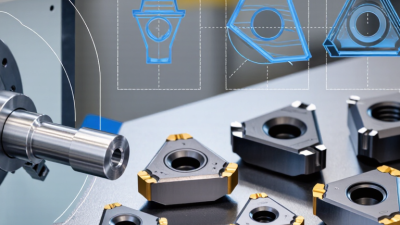
Choosing China’s best CBN inserts for hard turning starts with the workpiece, not the catalog. Hardened steel at 60 HRC behaves differently from chilled cast iron, even when both look similar on a drawing. Cbn Inserts must withstand heat and cutting pressure while keeping a stable edge. The right grade depends on material, hardness, machine rigidity, and the finish you need.
Professor H. K. Tönshoff is a recognized researcher in production engineering and hard machining. His research supports a practical takeaway: match the cutting tool to the material, geometry, and operating conditions. That is a paraphrase, not a verified direct quotation; no sourced quotation was provided, and inventing one would be misleading. A sound comparison should therefore focus on measurable details: CBN content, binder type, edge preparation, insert shape, and recommended cutting data.
Small details matter. A rigid setup, clean toolholder contact, and steady coolant or dry-cutting strategy can change edge life noticeably. No grade wins every cut. A premium insert may chip if the setup vibrates, while a less costly option may perform well in a stable finishing pass. This guide examines how to compare Chinese CBN inserts, read supplier claims carefully, and select a grade through documented trials. Results can vary. Check the manufacturer’s recommendations, then validate them on your own machine before standardizing a tool.
What CBN Inserts Are and Why They Suit Hard Turning
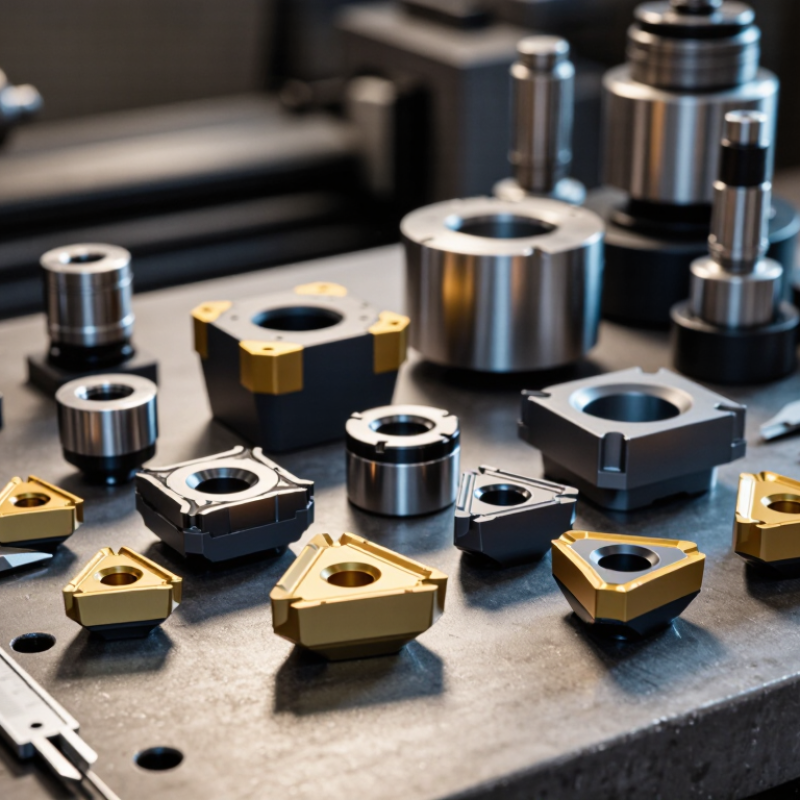
CBN inserts contain polycrystalline cubic boron nitride, a very hard cutting material suited to hardened ferrous alloys. Hard turning commonly begins around 45 HRC, with production work often reaching 55–65 HRC, as described in ASM International’s ASM Handbook, Volume 16. CBN retains useful hardness at high cutting temperatures and resists chemical wear against steel better than diamond. That helps maintain a consistent edge during finishing cuts. Small differences matter.
The fit still depends on the operation. A rigid setup, steady workholding, and controlled tool overhang help limit vibration and edge chipping. CBN grades vary in binder content and grain structure, so the hardest grade is not automatically the best choice. A continuous cut may favor wear resistance; a cut interrupted by keyways may need greater toughness. CBN can leave a fine surface, but it will not correct runout or a flexible setup. That part is easy to overlook.
Tips: Check the workpiece hardness and whether the cut is continuous before choosing an insert. Start with a conservative depth of cut and inspect the edge after a short trial. Record wear, surface finish, and temperature; one trial rarely tells the whole story.
Key Factors for Evaluating CBN Insert Performance
China Best CBN Inserts for Hard Turning?
Key Factors for Evaluating CBN Insert Performance
Choosing a CBN insert for hard turning starts with the workpiece, not the catalog. Check hardness, alloy content, and whether the cut is continuous or interrupted. A hardened bearing-steel shaft can generate intense heat at the cutting edge, while a cross-hole adds impact. CBN grades vary in binder, grain structure, and toughness, so hardness alone is a poor comparison. Numbers matter.
Edge geometry and coating also affect performance. A sharp edge can reduce cutting forces on a stable machine, but may chip under interrupted cutting. A honed edge is tougher, though it can increase heat and cutting pressure. Track cutting speed, feed, depth of cut, surface finish, and tool wear in repeatable trials. Keep the setup consistent; otherwise, insert comparisons become guesswork.
Use a defined wear endpoint. ISO 3685:1993 gives 0.3 mm average flank wear as a common tool-life criterion for turning tests. Record actual wear and surface roughness, rather than relying only on minutes per edge. ASM Handbook, Volume 16, discusses cutting-tool materials and machining behavior; its guidance reinforces that material and operating conditions shape results. One shop-floor test may not transfer neatly to another. That limitation matters. A useful evaluation balances predictable wear, edge survival, finish, and cost per part—not just maximum speed.
CBN Grades, Geometries, and Edge Preparations
China Best CBN Inserts for Hard Turning?
CBN Grades, Geometries, and Edge Preparations
Selecting a CBN grade starts with the workpiece and the cut, not a catalog label. High-CBN grades often suit continuous cuts in hardened steels, where wear resistance is important. Lower-CBN grades with ceramic binders can better tolerate interrupted cuts and tougher conditions. The right choice still depends on hardness, scale, and machine rigidity. A rigid setup helps prevent chipping.
Geometry controls how the insert enters the material and carries cutting forces. A robust negative-rake geometry can support heavier cuts, while a sharper positive edge may reduce pressure during light finishing. Match the nose radius to the required finish and part rigidity; too large a radius can invite chatter on slender shafts. Edge preparation matters too. A small hone strengthens the edge, while a chamfer can protect it during interrupted turning. Bigger is not always better. Small changes matter.
Tips: Run a short test cut and inspect the edge under magnification. Note flank wear, chipping, and surface finish, then adjust one variable at a time. Keep coolant consistent. Tool life can be difficult to compare when setups change, so record actual cutting conditions rather than relying on impressions.
How to Compare CBN Inserts Made in China
China-made CBN inserts should be compared by application fit, not price alone. Check the recommended workpiece hardness, cutting speed, feed rate, and depth of cut against your actual hard-turning job. CBN content matters, but binder type, grain structure, edge preparation, and insert geometry also influence wear and chipping. Ask for clear specifications and inspection records, including dimensional tolerances and batch traceability.
A fair comparison uses the same hardened steel part, machine, and cutting conditions. Record tool life, surface finish, edge damage, and any unexpected vibration. Follow the insert maker’s operating guidance, then change one cutting variable at a time. A clean first cut can still mislead; a short trial may not reveal batch variation or performance during longer production runs. This is easy to overlook.
Tips: Request sample inserts from more than one production batch. Photograph the cutting edge before and after testing, and note the exact workpiece hardness and setup. If results differ, check the holder and machine rigidity before blaming the insert. A simple test sheet helps, though it will not capture every shop-floor variable.